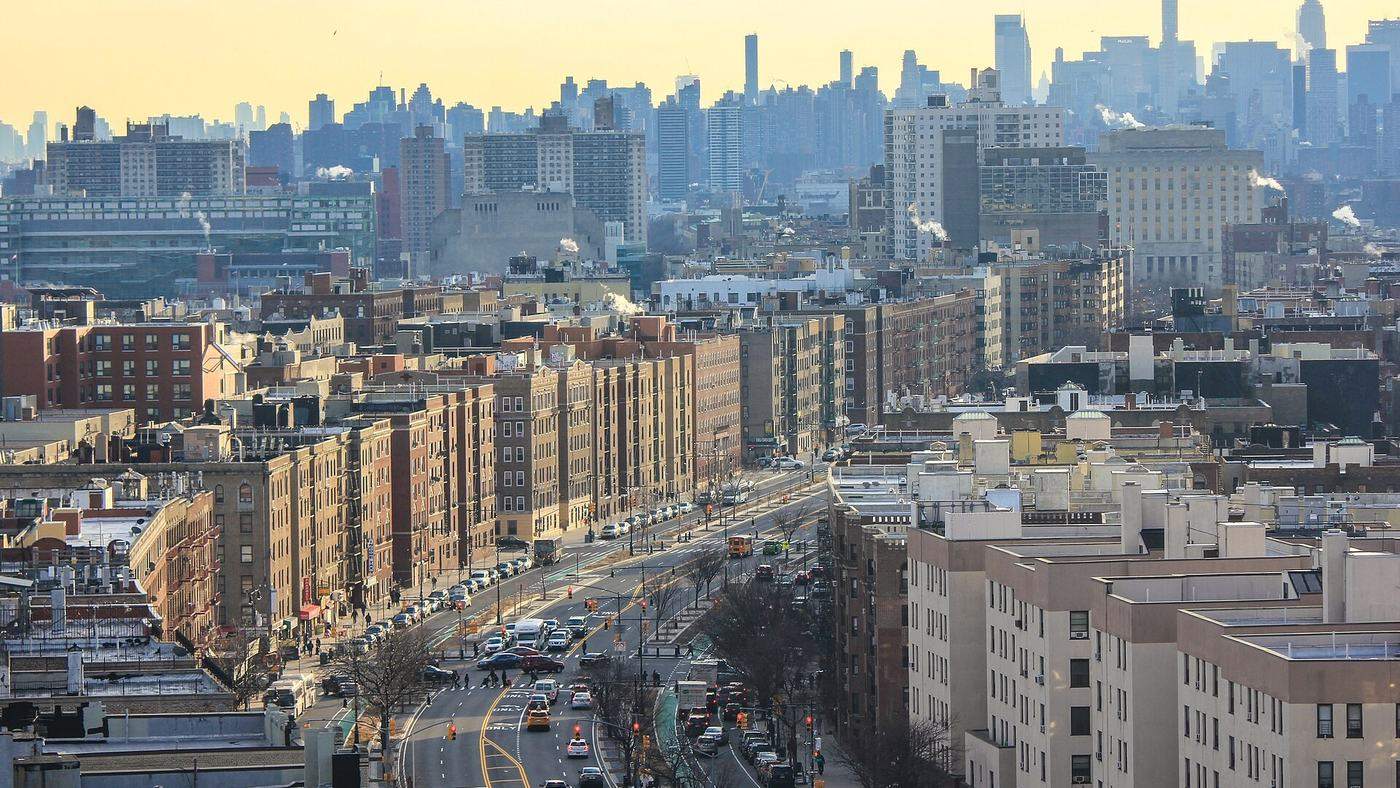
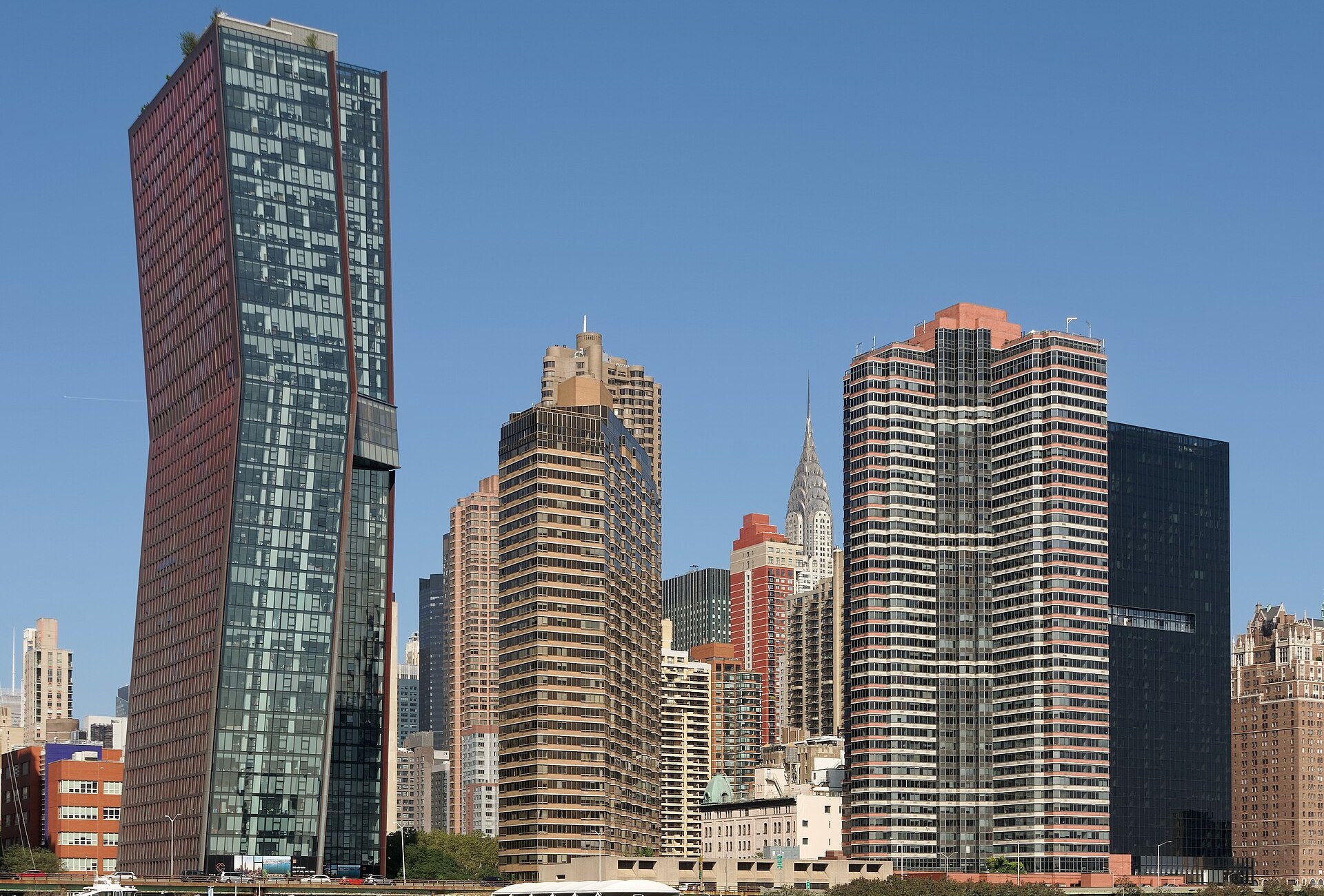
Two buildings in Manhattan, both with rent-stabilized apartments registered with the state. One is a prewar Upper West Side building, the kind of place most people picture when they think of stabilized housing. The other is two glass-and-copper towers on the East River that most people assume are luxury market-rate rentals.
51 West 86th Street is a 74-unit prewar building a block off Central Park. In 2007 it registered 30 rent-stabilized apartments with the state. In 2017 it registered 20. Nothing happened in between — no fire, no gut renovation, no sale. One or two apartments came off the rolls each year, for ten years.
626 First Avenue, the American Copper Buildings, registers all 761 of its apartments as rent-stabilized. Because they're literally wrapped in copper. The two towers (SHoP Architects, JDS Development, 2017) are clad in copper panels that started out bright penny-brown and are slowly oxidizing toward the brown-green patina you see on old church roofs and the Statue of Liberty — the facade is meant to change color over decades. The "American" part is branding; the towers lean toward each other and are joined by a three-story skybridge, which is why the press called them the "dancing towers" before the name landed.
Both buildings have tenant lawsuits in 2026 alleging the same thing: the legal rent was wrong. At 51 West 86th, tenants say apartments were deregulated when they shouldn't have been. At American Copper, tenants say they were charged above the legal rent even though the registrations stayed exactly right.
Both buildings are why the registration data matters. One shows what the data can reveal. The other shows what the data cannot.
The registration is public. The rent is not.
Why nobody looks
A rent-stabilized apartment doesn't look like anything. Nothing on the door, nothing in the listing, no requirement that the landlord bring it up. It exists because a number gets filed with the state once a year. When the number stops being filed, the apartment has usually left the system, and whoever signs the next lease pays whatever the market will hold.
The system exists because New York decided, after the war, that replacing a tenant who could not afford the rent was not the same as keeping the city livable. A stabilized apartment is still just a home: it can pass to a family member in certain cases, and the person inside looks like any other neighbor — the 27-year-old with a tech job, the 80-year-old retiree, the nurse on night shifts. The only public sign is that number filed once a year with the state, which is why most tenants never know they have one.
So we pulled every building with a registration on record in both 2007 and 2017 and compared the first count against the last.
- Buildings on record in both 2007 and 2017
- 14,414
- Registered fewer apartments by 2017
- 7,470
- Net apartments off the rolls
- 50,432
- Buildings of 10+ units that lost more than half
- 1,065
- Registered more in 2017 than in 2007
- 2,231
Of those 14,414 buildings, 7,470 filed a smaller number the second time. Another 4,713 held flat. The 2,231 that went up were mostly buildings that entered the system by taking a tax break.
Manhattan is where the losses are. Everywhere else the count barely moved.
The two positive numbers are not tenants gaining protection. They are paperwork.
Brooklyn's +513 is essentially four buildings, all new towers that took a tax break: 343 Gold Street went from 160 registered apartments to 631, 111 Lawrence Street from 140 to 490, 1483 Shore Parkway from 42 to 410, 125 Court Street from 65 to 321. Those buildings entered the rolls on the same abatement clock that was already emptying Manhattan. They register as stabilized until the break expires, then they leave.
The Bronx's +446 is thinner and more diffuse. It is spread across hundreds of older buildings filing more completely than they did in 2007, which reads as better compliance rather than new units.
So the boroughs are not moving in opposite directions. They are at different points on the same clock. Manhattan's abatements were signed earlier and ran out inside the window. Brooklyn's and the Bronx's were still being signed while we were counting.
Most of the loss is legal, and that is the problem
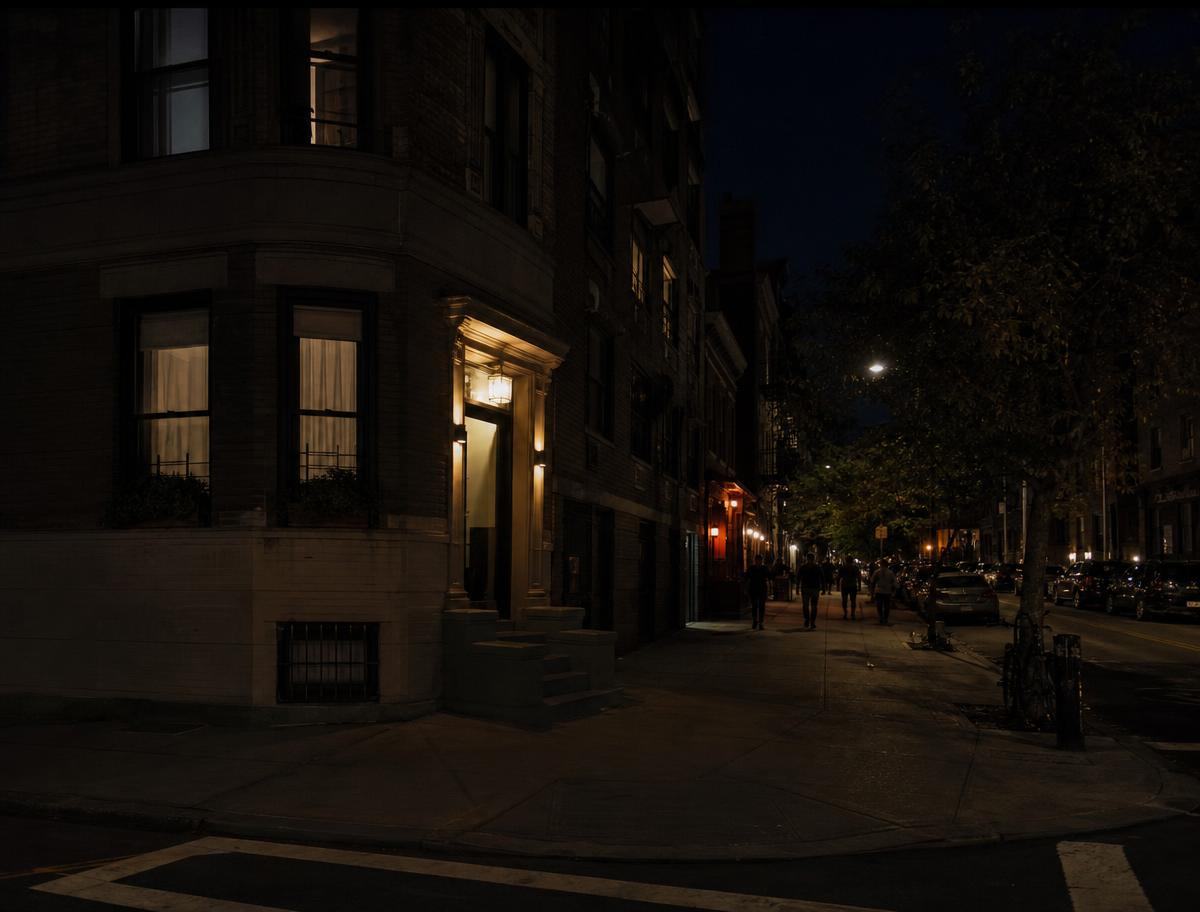
Look at where the biggest single-building drops are. A 973-unit tower on West End Avenue, built in 1994. A 440-unit building on Duane Street from 1988. A 227-unit building on West 25th Street, 2001. These are not prewar walk-ups being picked apart one vacancy at a time. They were stabilized because their owners took a tax abatement, and they stopped being stabilized when the abatement ran out, on a schedule that was public from the day each building opened.
| Building | 2007 | 2017 | Net change |
|---|---|---|---|
| 75 West End Avenue | 999 | 600 | −399 |
| 1710 Third Avenue | 522 | 105 | −417 |
| 105 Duane Street | 440 | 89 | −351 |
| 419 East 60th Street | 234 | 15 | −219 |
| 103 West 25th Street | 228 | 1 | −227 |
| 323 West 96th Street | 172 | 16 | −156 |
Nothing on that list is an accusation. It is an expiration arriving.
It does mean a building shedding two apartments a year disappears into the arithmetic. The drops worth a lawyer's time are the small ones.
The other kind: 74 units, ten apartments, ten years
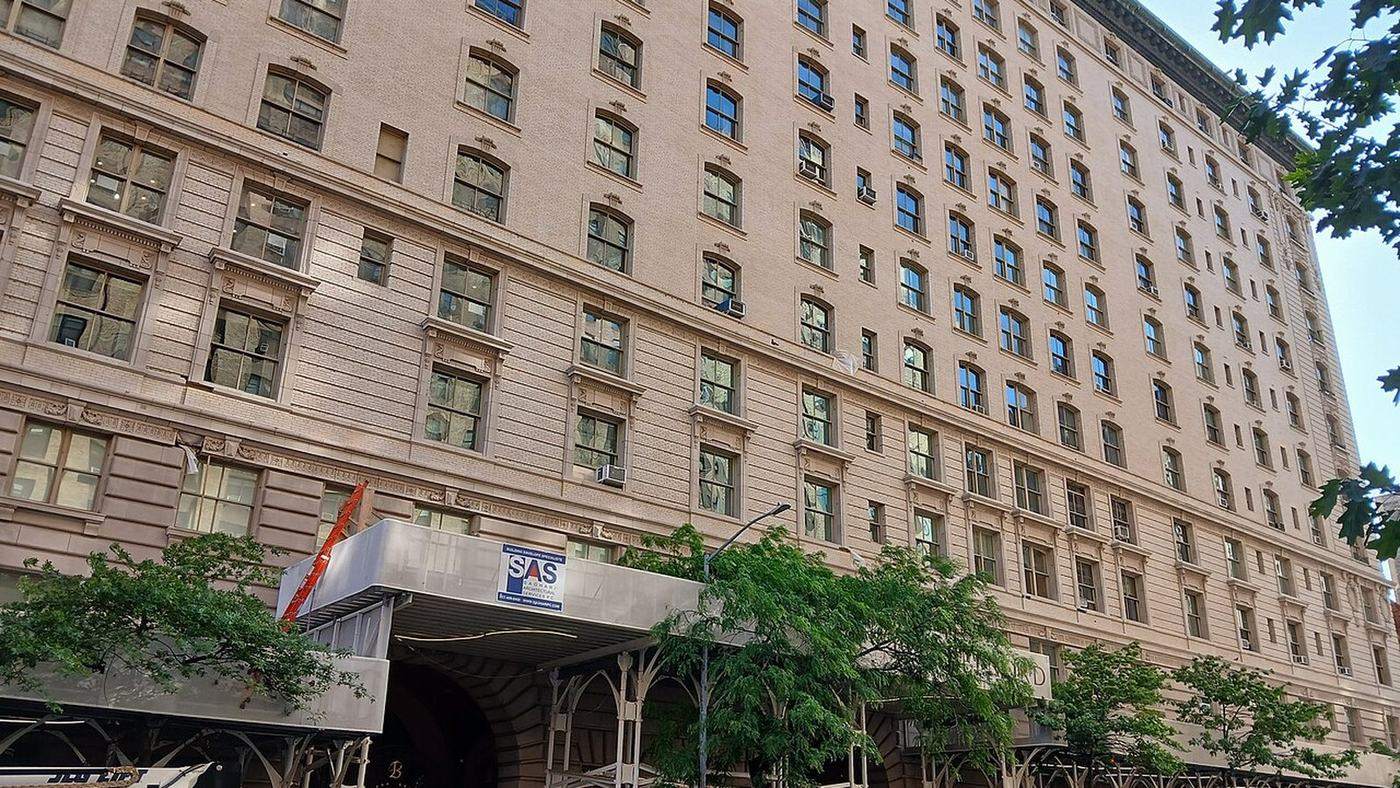
51 West 86th Street is a 74-unit prewar building on the Upper West Side. In 2007 the owner registered 30 rent-stabilized apartments with the state. In 2017 the number was 20. Nothing happened in between. No fire, no gut renovation, no sale. One or two apartments came off the list each year, every year, for ten years.
| 2007 | 2009 | 2011 | 2013 | 2015 | 2017 | |
|---|---|---|---|---|---|---|
| Apartments registered | 30 | 29 | 25 | 23 | 21 | 20 |
There is no LLC on 51 West 86th Street, and no management company either. The owner of record on the registration is a person: Abraham Reiss, listed as head officer, filing from an apartment at 276 Riverside Drive. The deed history is family paper too, passed between Weinrebs and Reisses and their trusts since the 1970s. The rest of the portfolio is structured the way most of the city is, one building per company: 350 Central Park West Associates, 3660 Oxford Avenue Associates, 455 Ocean Associates, 46 East 91st Associates, 514 Ocean Parkway, 65-61 Saunders St. Associates. Different names, same Riverside Drive address, with Jacob Weinreb as head officer on most of them and Reiss as officer or head officer on the rest. The registered agents are not a firm. They are individual supers, one per building, people like Slawomir Pirog, Kris Marciszek, Piotr Piwowarczyk and Gregory Koblinski. That is a self-run operation, roughly 1,500 apartments in buildings that mostly went up before the war, the average one put up around 1933.
In August 2026, twelve tenants at 51 West 86th Street and three other Upper West Side buildings run from the same office sued over the deregulations, claiming apartments had been taken off the rolls improperly and rents set above the legal amount. The case has not been decided. But ten apartments over ten years is the kind of thing you only see if you put the filings side by side, and almost nobody does.
If you're the one signing the lease
Two things can go wrong, and they do not look alike.
The apartment was deregulated when it shouldn't have been. The 51 West 86th shape: a registration count walking downward while the building stays the same age, size and owner. As a tenant you can request the registration history for your own apartment from the state, and it costs nothing.
It is still stabilized and the rent is too high anyway. The American Copper claim. It shows up in no count at all. You would catch it by comparing what you pay against the last registered legal rent for your unit, which arrives in that same free rent history.
One request answers both. No broker is going to raise it. Overcharge claims can reach back years, and penalties can be added on top.
One limitation
These registrations stop in 2017. The 2019 rent law closed several of the main exits, high-rent vacancy deregulation among them. It did not return apartments that had already gone, and it did not reset the rents set on the way out. Those leases are still in force.
And 50,432 is not a count of anything improper. Registrations cannot tell you why a number moved. They can tell you which buildings moved, and by how much, which is where a tenant has to start.
Look up your own address.
Based on annual rent-stabilization registrations for 14,414 New York City buildings filed in both 2007 and 2017. Comparisons are building-level registered unit counts, not individual apartments. Litigation described here consists of allegations that have not been decided in court.