Looking up a specific address? Start here.
Every NYC building has a story.
These are the ones the city is flagging right now. Browse by problem below, or look up your own address above.
Immediately hazardous
The most severe tier — 24 hours to fix the worst of it.
Lead paint, broken elevators, missing smoke detectors. If a building you're considering is on this list, ask why before you sign.
Buildings getting worse
Five or more new open violations in the last six months.
The earliest sign something's shifted — new ownership, deferred maintenance. If a building you're eyeing shows up here, ask what changed.
Chronic-offender list
The city's last resort, and a short list to be on.
Landlords warned repeatedly for serious conditions that haven't been cleaned up.
No heat or hot water
Winter's most common complaint, and some buildings repeat it.
Worth checking before you sign a lease that runs through winter.
Pests & rodents
Rats, roaches, mice — and the landlords who miss the deadline.
The city gives landlords a deadline. Repeat calls tell you which buildings never really fixed it.
Mold & leaks
Chronic leaks that turn into mold and stay open for months.
Thousands of buildings carry the same open call for more than a year. If your unit is one of them, that's what you're inheriting.
Bed bugs
Cases landlords reported in the most recent annual filing.
Landlords are required to disclose this before you sign — here it is upfront.
Stabilized buildings, poor records
Rent-stabilized, but with a poor maintenance record.
Stabilization is a legal status — not a guarantee the building is being maintained. Know which one you're getting.
Only in NYC
Real buildings. Real stories. Brix research.
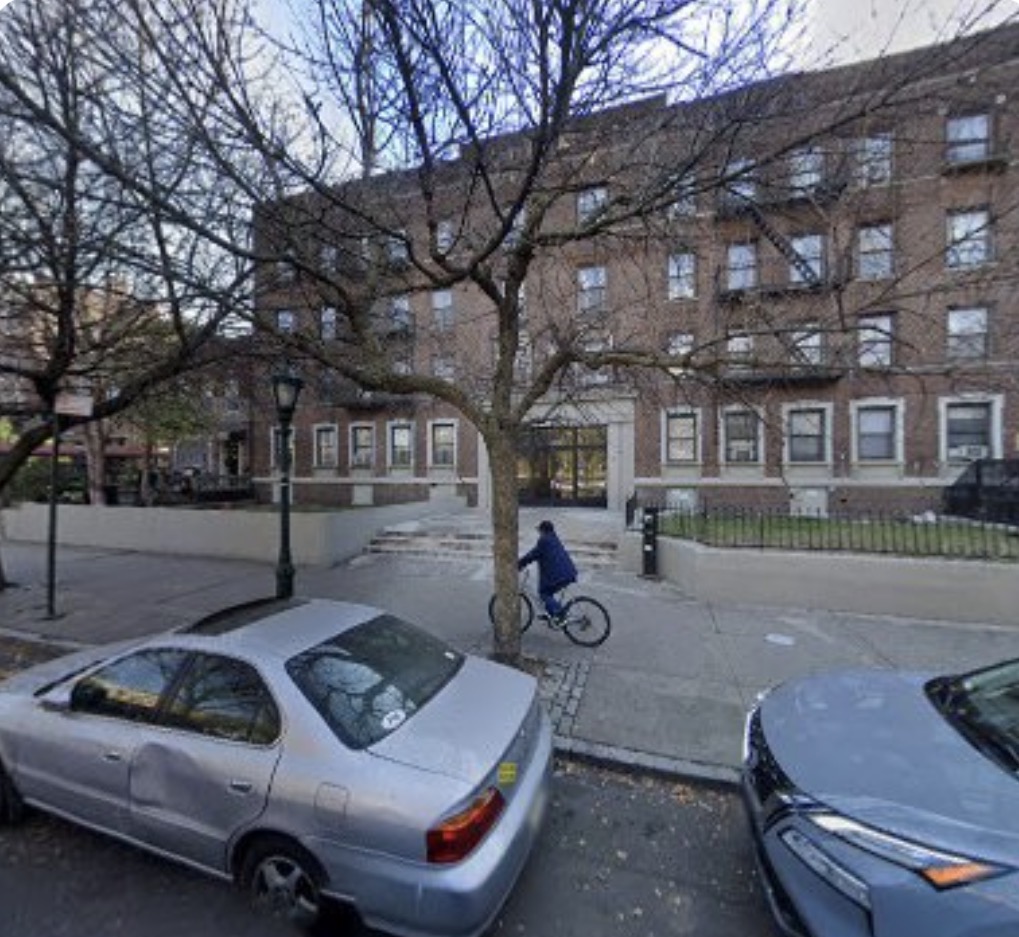
The 570 Violations That Just Changed Hands in Crown Heights
Three Crown Heights buildings sold at a sheriff's auction for just over $900,000 carrying 570 open violations, 387 of them written this year. The violations attach to the building, not the seller, and the new owner owns every one until they are cured.
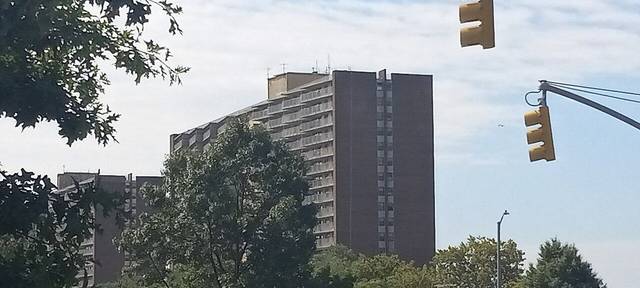
One Brooklyn Address Holds 95% of a Landlord's Violations
The DeMatteis Organization built Battery Park City's first apartments. Three buildings remain in its portfolio — and one address in East New York carries nearly all 6,303 of its open violations.
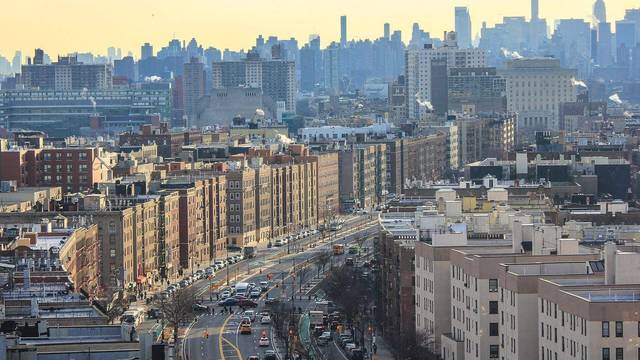
All 761 Apartments Here Are Rent-Stabilized. Tenants Say They Were Overcharged Anyway.
Most apartments that stopped being rent-stabilized left for a boring, lawful reason: a tax break expired. Which is why nobody notices the other kind — buildings where tenants say apartments were deregulated when they shouldn't have been, one or two a year, for a decade.