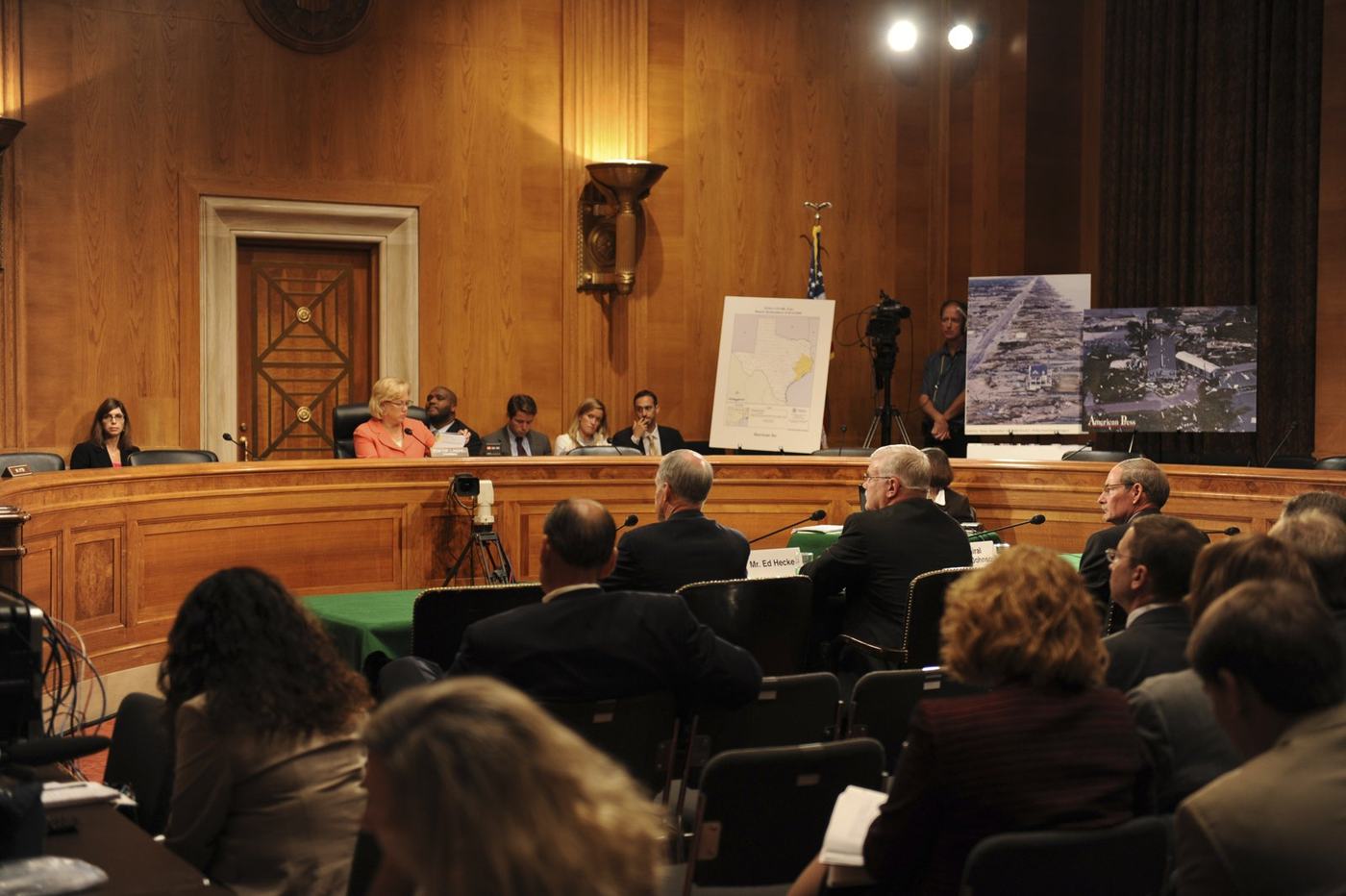
Mayor Mamdani's executive order directed HPD, DOB, the Mayor's Office to Protect Tenants, and DCWP to hold 'Rental Ripoff' hearings across all five boroughs within his first 100 days. Tenants showed up. The rooms were packed.
At a Brooklyn hearing, 27-year-old Kaela Brown described two years of a hole in her ceiling — a bedroom with no heat, roaches, flies, mice. "The mice issue was messing with my mental health," she said. "I couldn't sleep because I heard them in the walls."
Her landlord is still operating. Still collecting rent.
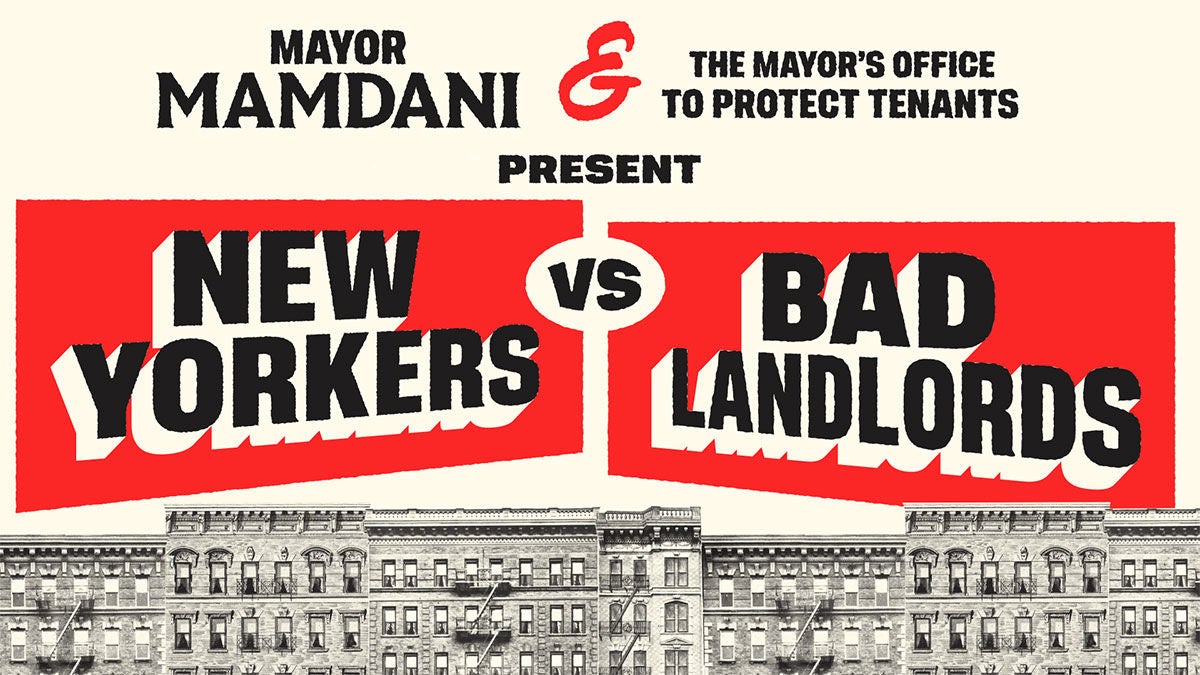
All five hearings — Brooklyn, Queens, Bronx, Manhattan, and Staten Island — wrapped between February and April 2026. The policy report is due to the mayor by early July. Until then, written testimony is still being accepted, and that's where you can still move the needle.
Submit testimony by email
Email your story to RentalRipoff@cityhall.nyc.gov" class="text-brick hover:underline font-medium">RentalRipoff@cityhall.nyc.gov.
Written testimony carries real weight when it's specific and documented. A generic complaint is easy to overlook. A submission that names the LLC, cites the open violation count, shows the resolution rate, and attaches a building report reads like a policy document.
Before you write, look up your building. You'll find every open HPD violation, how long each one has been open, who actually owns the building behind the LLC, whether your landlord owns other buildings with the same problems, and your building's resolution rate — what percentage of violations ever get fixed.
(Search bar: Enter your address or landlord name...)
Pull your building report, screenshot the key sections, and attach them to your testimony email. You're submitting public city data back to the city — that's exactly how this process is supposed to work.
The LLC problem
The name on your lease is almost never the name of the person profiting from your rent. NYC's rental housing is owned through layers of LLCs — entities that obscure who actually controls a building. A landlord with 50 buildings might own them through 50 separate entities. When one gets sued, the others are protected. When violations pile up, no single person is on record.
The Mamdani administration has signaled it wants to pierce that veil. Hearings are part of that. Data is the other part.
Every Brix building page shows the full ownership chain: the LLC on the deed, the parent company behind it, and where we can identify them, the individual. If your landlord is hiding behind an LLC, we'll show what we know — and flag where the trail goes cold.
What to actually say
Being specific is what turns a complaint into testimony that drives policy.
Lead with your landlord's full record, not just your apartment. Don't say "my apartment has mold." Say "my landlord owns X buildings across NYC with X open violations, X of which are Class C hazardous. My building at [address] has had the same mold violation open for X days."
Name the LLC. Your lease has an LLC on it — not a person. Find out who controls that LLC and name them: "The building is owned by [LLC], controlled by [person], who also owns [portfolio]."
Cite the resolution rate. If your landlord has a 12% violation resolution rate, say it. That means 88% of violations go unaddressed. That's not an accident. It's a business model.
Connect it to rent stabilization. If your building is rent-stabilized and your landlord has dozens of open violations, the argument is simple: they're collecting stabilized rent while letting the building deteriorate.
Walk in with public data. When you say "my landlord has 47 open hazardous violations," you're citing public city data that HPD, DOB, and the Mayor's Office already have on record, not telling a story.
What happens next
Within 90 days of the final hearing, the administration is required to publish a policy report based on tenant testimony. That's due in early July 2026. It will propose specific interventions on how HPD prioritizes enforcement, how DOB handles repeat offenders, what new tools DCWP gets to crack down on hidden fees and junk charges, and broader housing code reform.
This is the window where documented, specific testimony has the most direct influence on what this administration actually does. The more data-backed submissions the city receives before that report is drafted, the harder it is to write vague recommendations.
Submitting written testimony? Pull your building report, attach it to your email, and send to RentalRipoff@cityhall.nyc.gov" class="text-brick hover:underline font-medium">RentalRipoff@cityhall.nyc.gov. The data is public record — make it count.
[Look up your building →](/)