
What the report actually says
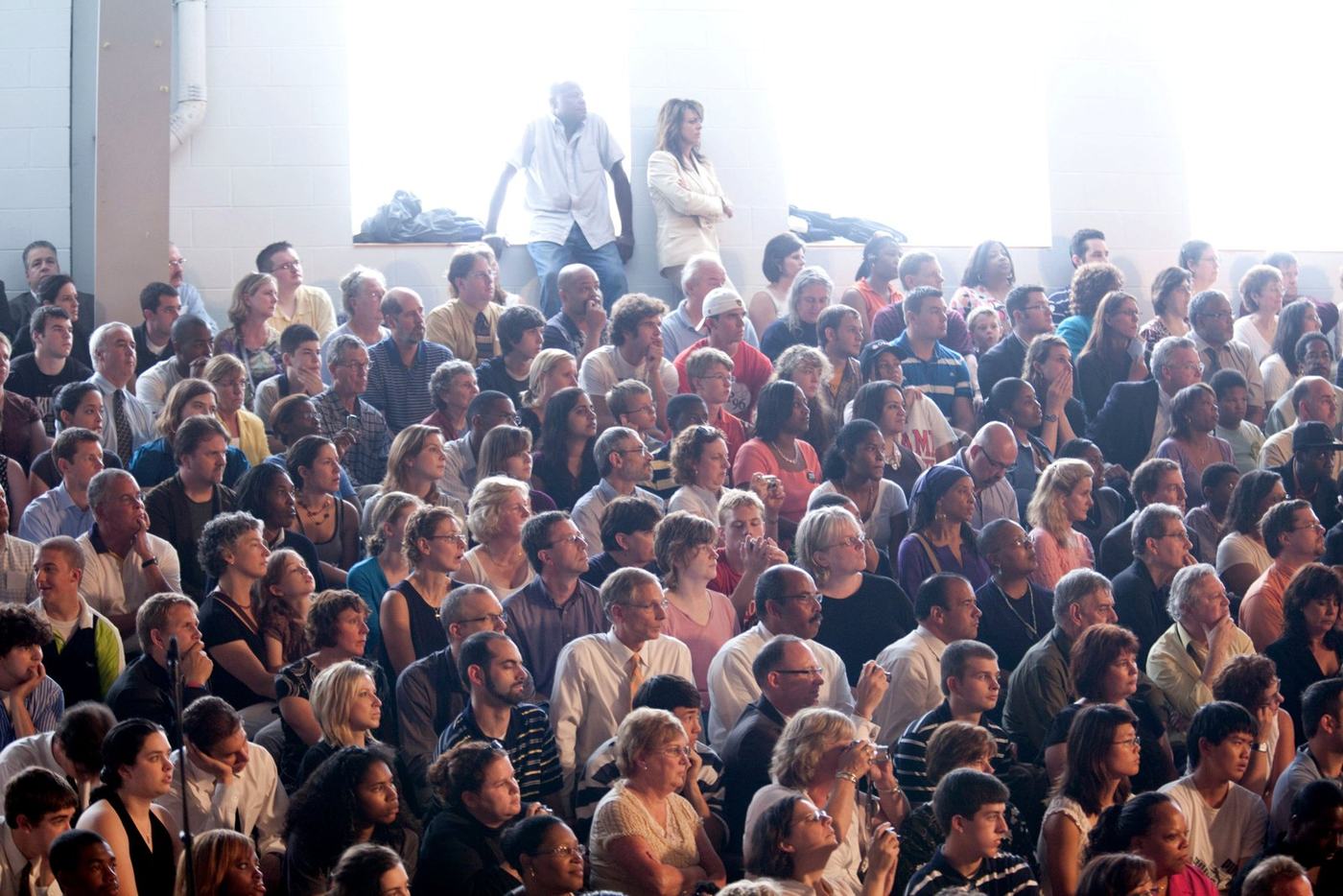
On July 16, the Mayor's Office to Protect Tenants released its findings from the five-borough Rental Ripoff hearings held between February and April. The document runs 67 pages. The framing is careful — the city draws a line between "high-road" landlords who show up for their tenants and "low-road" operators who don't. The proposed reforms target the second group.
A few numbers are worth sitting with:
The most common complaints tenants brought to the hearings: pests (16% of testimonies), mold (13%), and broken elevators (7%). Several disabled and elderly tenants described being carried up stairs by neighbors or effectively confined to their apartments. More than fifty attendees said they'd been displaced by a fire or other disaster.
The number worth staring at
"32% of violations were found to be falsely certified in fiscal years 2024 and 2025."
Right now, when HPD writes a violation, the landlord fixes it and self-certifies that the work is done. According to the city's own data, one out of every three of those certifications is false. One tenant testified that management temporarily cranked the heat when an inspector was expected, then shut it off after they left.
That's the mechanism that makes public records slippery. A building's HPD page can show a violation as "closed" when the actual conditions never changed. It's why looking at raw violation counts is only half the picture — pattern and recurrence matter more than a single "closed" stamp.
What the city is proposing
The report lays out four broad strategies. In plain terms:
More follow-up inspections instead of self-certification. Bundling complaints across units in the same building so a repeat problem doesn't look like 30 unrelated calls. Studying whether walk-ups can be retrofitted with lifts. Requiring landlords to provide alternative accommodations when elevator outages last more than 14 days.
Upgrading city databases so HPD, DOB, and the Department of Health can actually see the same landlord across multiple LLCs. Requiring owners to file real contact information. Expanding DOB's lien authority to cover any category of violation once penalties cross $25,000.
A framework for HPD to coordinate with tenant unions. Guides for tenants who want to organize. A platform for scheduling inspection appointments — a small thing that fixes a very common complaint at the hearings ("I wasn't home when the inspector came").
Reconsidering credit checks paid for by applicants, mandatory disclosure on digitally altered listing photos, clearer rules on which utilities and fees are the tenant's responsibility, and better labeling of shut-off policies.
Some of these need City Council approval. Rollout will take years. The June 2026 budget added staff at HPD and the Mayor's Office to Protect Tenants, which the administration says makes the recommendations executable.
A fair thing to note about landlords
Most landlords in New York are not the ones being described in that report. REBNY's own analysis of more than 761,000 buildings found that about 10% of properties account for 88% of violations and 94% of the most severe ones. Which is to say: the pattern is real, but it's also concentrated. If you're renting from an owner-occupied brownstone or a small operator who answers their phone, none of this is about you.
The point of looking up a building isn't to catch a landlord doing something wrong. It's to know which of the two groups you're walking into.
What you can actually do this weekend
The reforms in the report will take years. The data they're built on already exists, and most of it is public. A few things worth doing before you sign anything, or if you're already in a lease and something feels off:
- Pull up the building on Brix. Check the health check first, then look at the pattern in the complaint categories — recurring pests, recurring heat calls, and recurring water/mold beats matter more than a single closed violation.
- Look at what the neighbors are calling 311 about. On our pages that's the "Life at this address" section. Elevator outages, illegal short-term rentals, and construction friction show up here.
- Check who actually owns the building. The name on the lease is often an LLC that doesn't tell you anything. The ownership chain — LLC to head officer to the rest of the portfolio — is on the free page.
- If you're already in the building and things aren't being fixed, HPD's HPD Online shows your open violations by class. The Tenant Helpline (311) can log a complaint that becomes part of the same public record we read from.
Full coverage of the report is at Bisnow .
Look up your building
Search any NYC address to see violations, complaints, ownership chain, and neighbors' 311 calls — in plain English.
Free for every NYC address. No account required.
Tags: NYC housing · Rental Ripoff · HPD · Mamdani · Tenant rights · Landlord accountability
Reporting from Bisnow (Sasha Jones, July 16, 2026). Statistics quoted from the NYC Mayor's Office to Protect Tenants Rental Ripoff report and REBNY's Data Over Rhetoric analysis.