
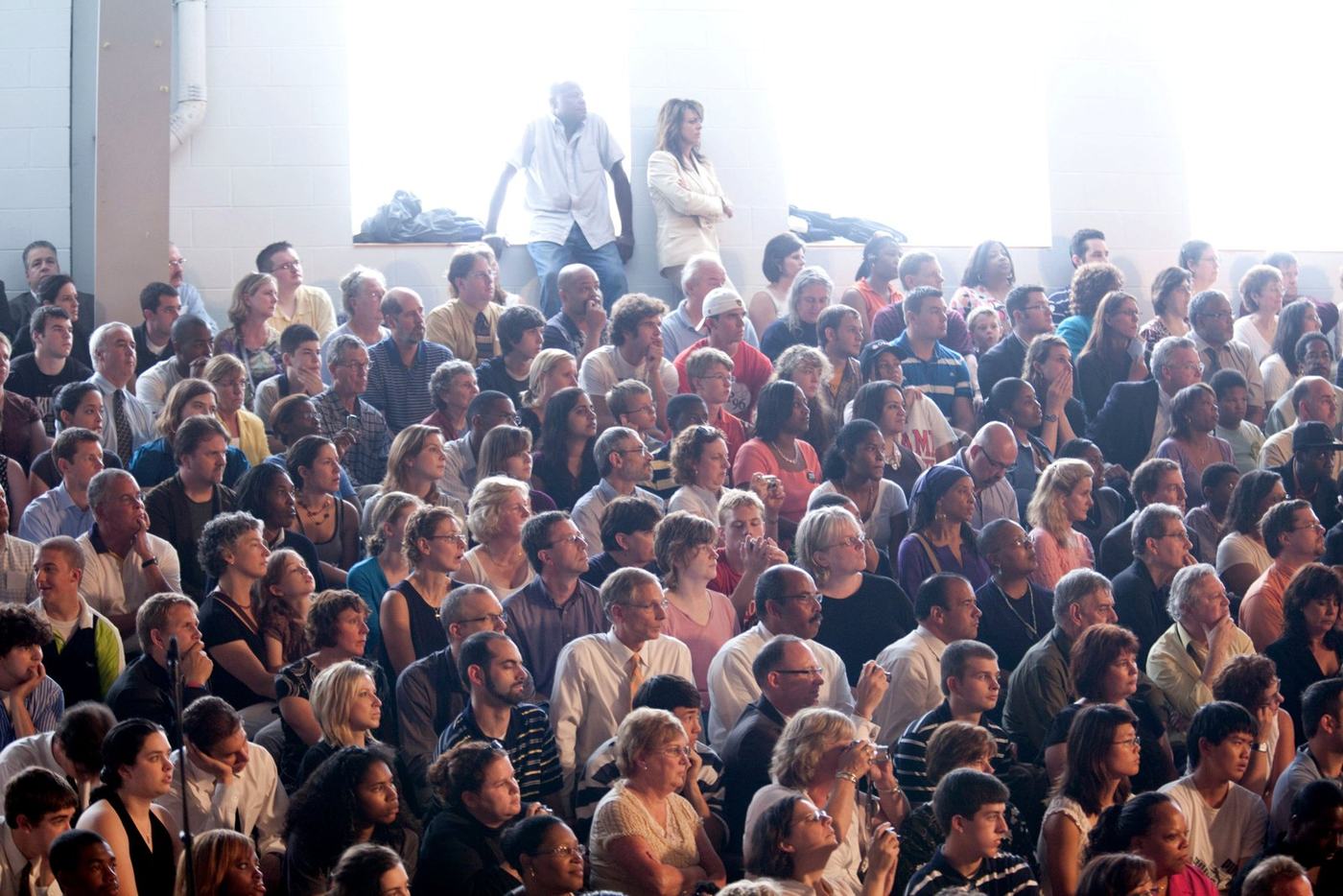
What tenants actually said
Between February and April 2026, Mayor Mamdani's administration held Rental Ripoff Hearings in all five boroughs — the first citywide tenant testimony sessions in over a decade, authorized under Executive Order 08. Hundreds of tenants lined up to speak. What they described wasn't abstract policy failure — it was daily life.
"They are not landlords, they are not slumlords — they are profiteers."
In Brooklyn, tenants described buildings where repair requests go to chatbots that never escalate. In Queens, a rent-stabilized tenant reported a 250% rent increase demand disguised as "major capital improvement" charges. In the Bronx, families testified about leaks running for three years — documented in HPD complaints but never resolved.
"It's really dystopian and weird."
Hearing Timeline
Staten Island's hearing — the final one — wrapped on April 7. Tenants can still submit testimony by email through June 2026.
What happens next
The Mayor's Office is compiling testimony into a policy report expected in early July 2026. The report will recommend changes to HPD enforcement, landlord accountability standards, and potentially new legislation targeting repeat offenders.
📋 The policy report is due early July 2026. We'll cover it when it drops and cross-reference the recommendations against what our data already shows.
In the meantime, HPD has signaled it will increase proactive inspections in buildings with high complaint volumes — something our data has been tracking since launch. If your building has a pattern of unresolved Class C violations, there's a good chance it's already on their radar.
The paper trail was always there
The hearings surfaced urgent stories. But here's the thing: most of the conditions tenants described were already documented in city records — scattered across HPD, DOB, 311, and ACRIS databases that almost nobody checks before signing a lease.
What HPD tracks
What HPD misses
Brix doesn't fill the "misses" column — no database can capture fear-based silence. But we make the "tracks" column actually readable. We combine HPD, DOB, ECB, and 311 data into a single score, translate violation codes into plain English, and show you the landlord's full portfolio so you can see if your building's problems are part of a pattern.
Who actually owns your building
One theme dominated every hearing: tenants don't know who their landlord really is. The name on the lease is an LLC. The management company is a different LLC. And the person profiting from deferred maintenance is someone whose name appears nowhere on any document you've ever signed.
NYC actually publishes the data you need to trace this chain. It's just spread across three systems that don't talk to each other:
- HPD Online — registration records showing the LLC, head officer, and managing agent
- ACRIS — deed transfer records showing who bought the building and when
- NY Department of State — corporate filings linking LLCs to their CEO or principal
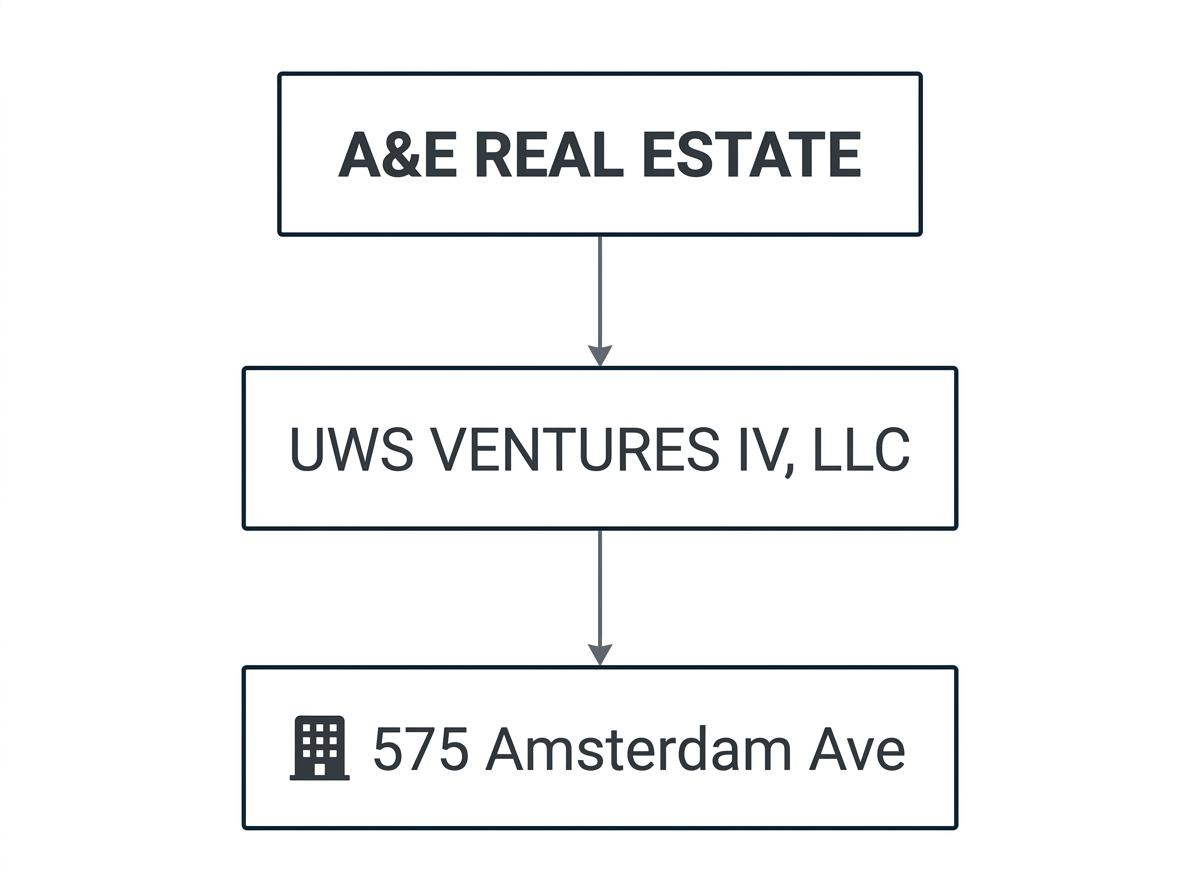
Brix automates this chain. Search any address and we'll show you the LLC on the deed, the human behind it, and every other building they control — so you can see if your building's neglect is an isolated incident or a business model.
You shouldn't need a City Hall hearing
The Rental Ripoff Hearings were important. They gave tenants a platform and will produce real policy recommendations. But the fact that hundreds of people had to take time off work, wait in line, and publicly recount their living conditions to get attention — when most of those conditions were already in city databases — says something about how broken the information pipeline is.
Every tenant deserves to know what the city already knows about their building — before they sign a lease, not after they're stuck in one. That's what we built Brix for.
Look up your building
Search any NYC address to see the full violation history, ownership chain, and condition rating — in plain English.
Free for every NYC address. No account required.
Tags: Tenant rights · NYC housing · HPD · Mamdani · Rental Ripoff · Landlord accountability
Hero image: public-domain photograph of a packed public meeting (White House photo, 2009) — illustrative, not from the hearings themselves. The Rental Ripoff Hearings were real events held across all five boroughs in 2026.