I've had four landlords in this city. Two were fine. One took nine months to fix a radiator. One I'm still not sure was the actual owner.
You meet a broker, not an owner. The person showing you the apartment usually has no repair authority and won't be there in six months. The lease names a company formed to hold one building and nothing else. Everything you'd actually want to know — who's responsible, whether they fix things, how long they take — sits in public filings you can read in about ten minutes.
Here's the order I read them in.
Find out who actually owns it
Start with the name on the lease, then ignore it. It's usually a single-purpose LLC — "123 Example Street LLC" — formed to hold one building and shield everything else.
What you want is the head officer on the building's registration. Every residential building with three or more units has to file one, and the filing names a real person with a real mailing address.
The landlord I couldn't identify was the one who took nine months on the radiator. Not a coincidence. When nobody's name is attached, nobody's reputation is either.
Before you sign: get the head officer's name and write it down. If the person showing you the apartment can't tell you who that is, that's your first answer.
Check whether the registration is current
Registrations expire annually. An expired one is the cheapest possible tell — it costs a landlord almost nothing to file, and the ones who don't are usually not behind on paperwork alone.
A landlord who can't file a form on time isn't going to hurry on your heat.
Before you sign: if the registration lapsed, ask why. The answer tells you more than the lapse does.
Read the open violations, not the total
Every building of any age has a violation history. A hundred-year-old building with a hundred closed violations is a building that got fixed a hundred times.
What matters is what's open right now. Open means the city cited it, the deadline passed, and it's still on the books.
I once passed on an apartment over a total count that turned out to be almost entirely closed items from two owners ago. I also almost took one with four open heat violations because the number looked small next to the total.
Before you sign: ask for the open count only, and ask what each one is.
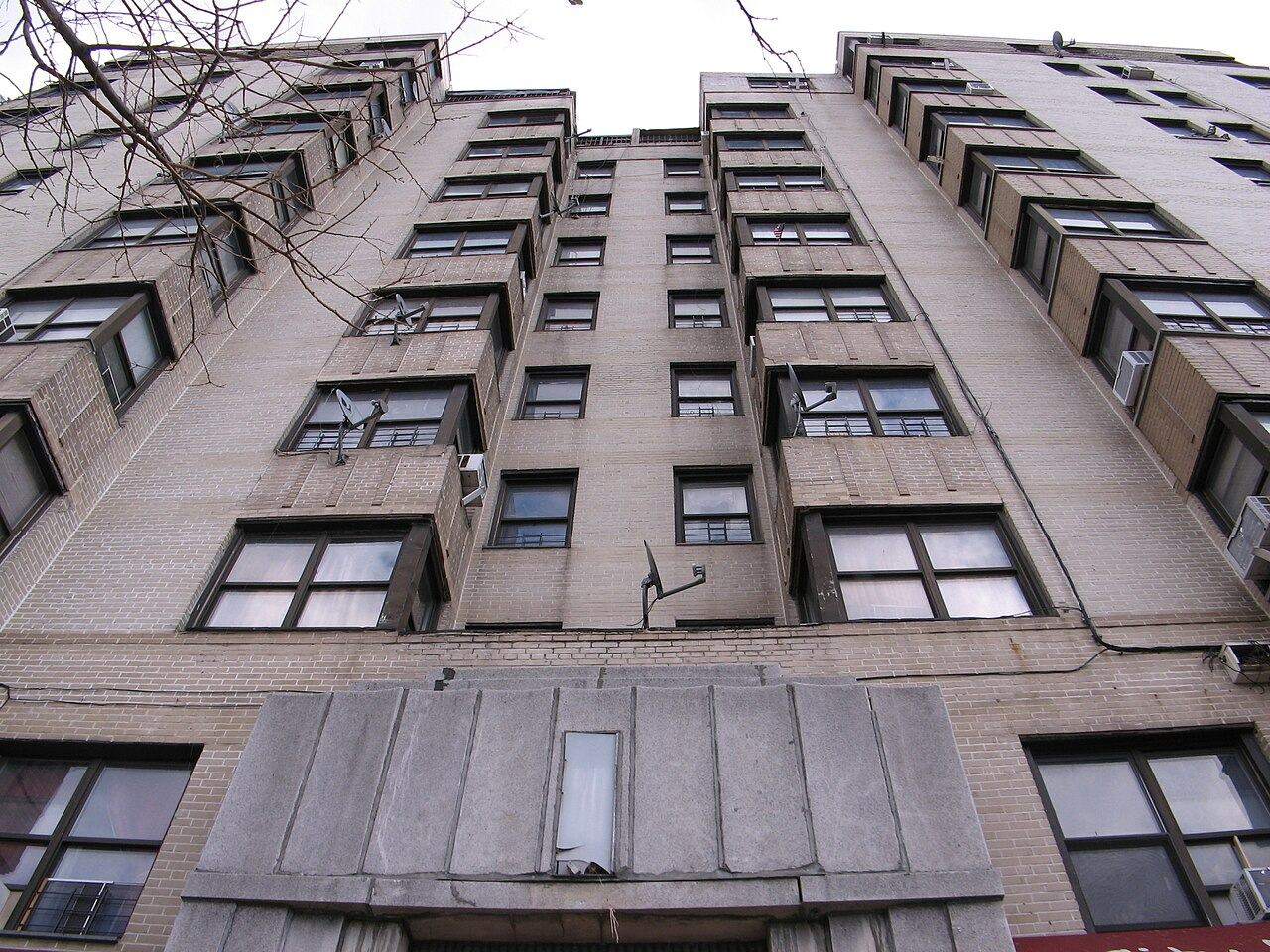
Look at how long violations stay open
Two buildings with three open violations each are not the same building. One got cited last month. The other has been sitting on the same three since 2019.
Age is the signal. A landlord who clears things in weeks is a different landlord from one who lets them run for years, even when the counts match.
Before you sign: ask when each open violation was issued, not just how many there are.
Check the complaint close-out text
This is the one almost nobody looks at, and it's the most useful thing on the page.
When a complaint closes, the inspector writes why. "Conditions corrected" means somebody fixed it. "No access" means nobody let the inspector in. "Not observed" means the inspector showed up and the problem wasn't happening right then — which, for intermittent heat, is most of the time.
A building with eleven closed complaints can be a building where eleven things got fixed, or a building where nobody ever opened the door.
A closed complaint is not a solved problem. It's a closed file.
Before you sign: read the close-out language on the last year of complaints. Count how many say "corrected."
Look up the rest of the portfolio
One building tells you about one building. If the same head officer's name shows up on eleven others, you can see the pattern instead of guessing at it.
This is where the picture usually resolves. A landlord with one rough building and nine clean ones probably had a bad year. A landlord whose whole portfolio runs the same way is telling you what to expect.
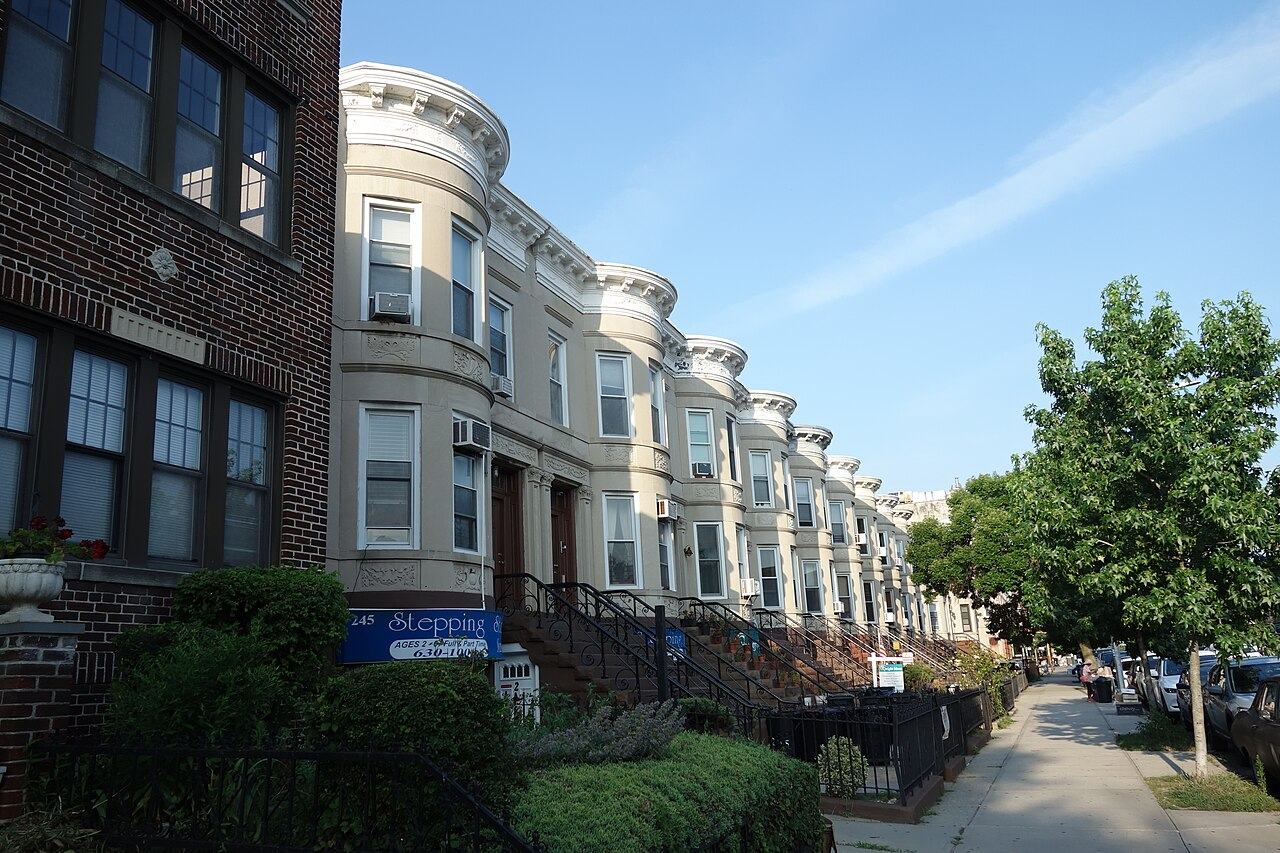
Before you sign: search the head officer's name and read the other buildings' open counts.
Check for heat and hot water calls specifically
Not all complaints are equal, and the categories aren't interchangeable. Street noise, sidewalk conditions, illegal parking — those are about the block, not the building.
Heat and hot water are about the building. They're seasonal, they're legally mandated between October and May, and they're the one category where a cluster means something specific: the boiler, or the person who decides when to run it.
Before you sign: ask specifically about heat and hot water calls in the last two winters. Not complaints in general.
Search the owner's name in the news
Ten seconds. Most of the time you get nothing, which is itself an answer.
When you do get something, it's usually one of three things: a lawsuit, a sale, or a story about a different building they own. All three are worth knowing before you commit to a year.
Before you sign: search the person's name and the company name separately. They don't return the same results.
Put every promised repair in writing before you sign
Everything above is history. This is the only item that changes your future.
"We'll get to the window before you move in" is worth nothing after the lease is signed. The same sentence written into the lease as a rider, with a date, is worth something.
The radiator took nine months because I had a verbal promise and no paper. The landlord wasn't lying when he made it. He just had no reason to remember.
The lease is the last moment you have leverage. After that, you're a tenant asking a favor.
Before you sign: list every promised repair, with dates, as an addendum. If they won't sign it, they weren't going to do it.
Before you sign
Nine checks, ten minutes. Name the head officer, confirm the registration is current, read the open items and how old they are, read the close-out text, look at the rest of the portfolio, isolate heat and hot water, search the name, and put the promises on paper.
Brix reads city inspection and ownership records for every residential building in New York. You can look up any address before you sign.