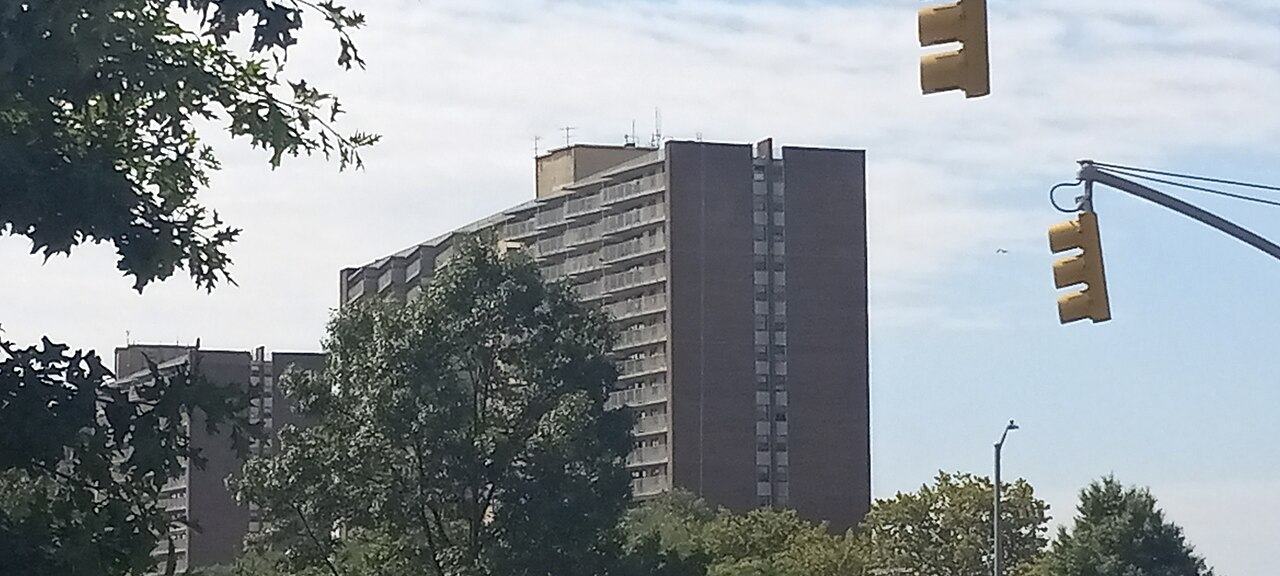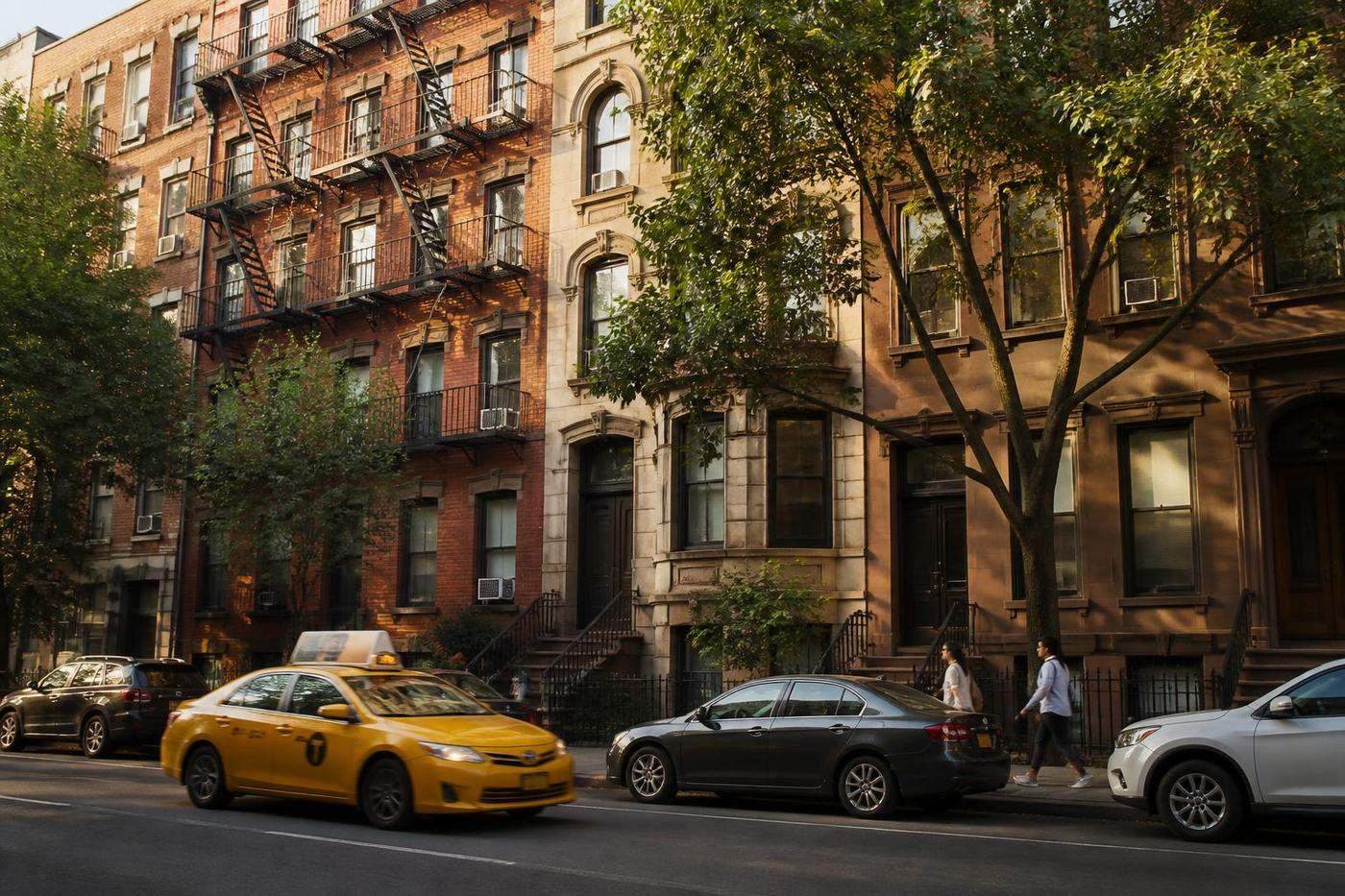
After living in 14 apartments, I stopped touring like a guest and started touring like the person who'd have to live there.
A place can look perfect during a 20-minute showing. You won't notice what the shower is like at 7 a.m., what the bedroom sounds like at 3 a.m., or whether your sofa can make it past the elevator. I learned these one apartment at a time, usually after it was too late to do anything about it.
These are the things I check now, before signing.
Test the water pressure
Turn on the shower. Not halfway—turn it on properly.
Check whether the pressure drops when another faucet is running. Find out how long the water takes to get hot, and whether it recovers after someone else has showered.
A good shower is worth fighting for. One that drips out like a water fountain is a hard pass.
This is the real-life version of the Seinfeld episode “The Shower Head,” where low-flow fixtures leave Jerry, Kramer, and Newman with flat hair because they can't rinse out their shampoo.
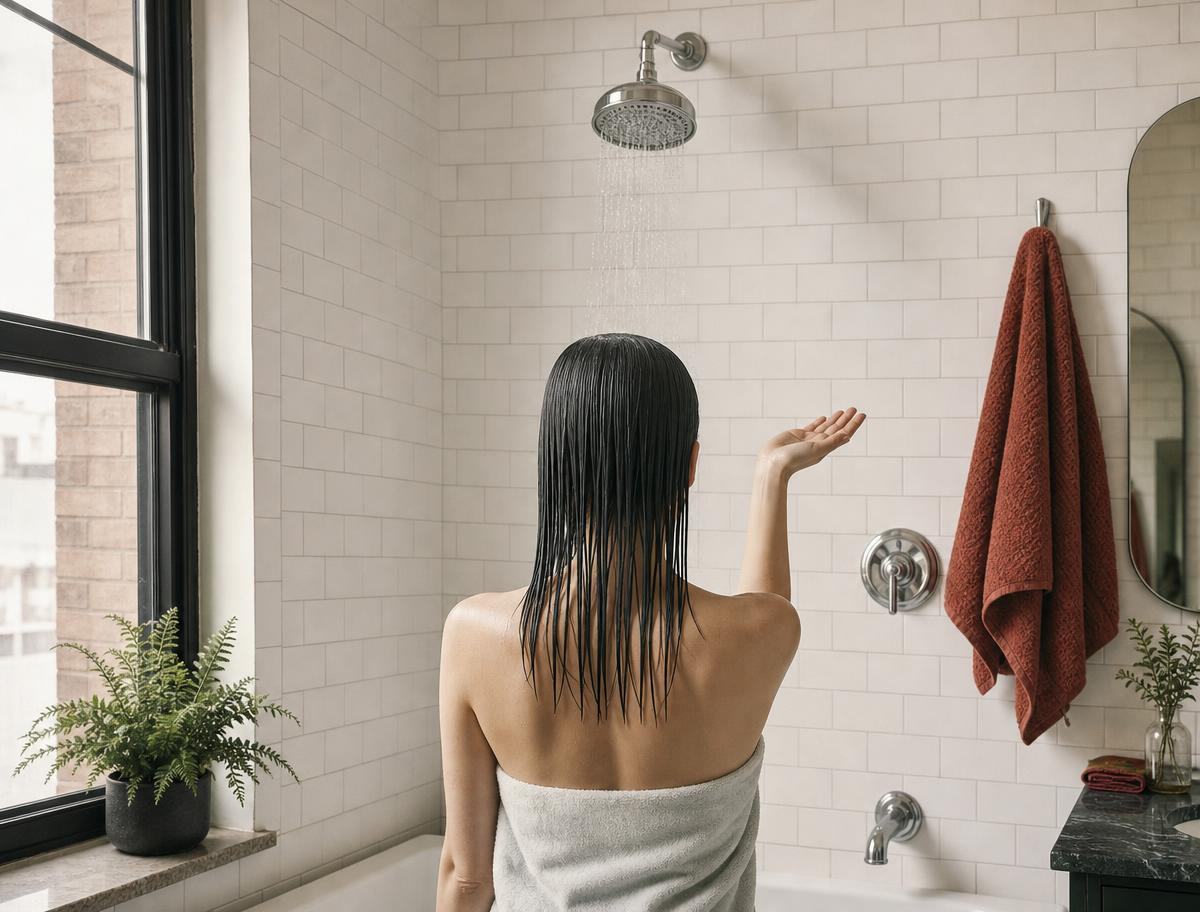
After walking around with flat hair for the better part of a few years—and learning that a new showerhead can only do so much when the pipes are weak—I now let the shower run for a solid 30 seconds on a tour. It feels a lot longer when the broker is eyeing you.
Test every outlet
Bring a phone charger and test the outlets, especially the ones behind the bed, the desk, the television, or wherever you're planning to put furniture.
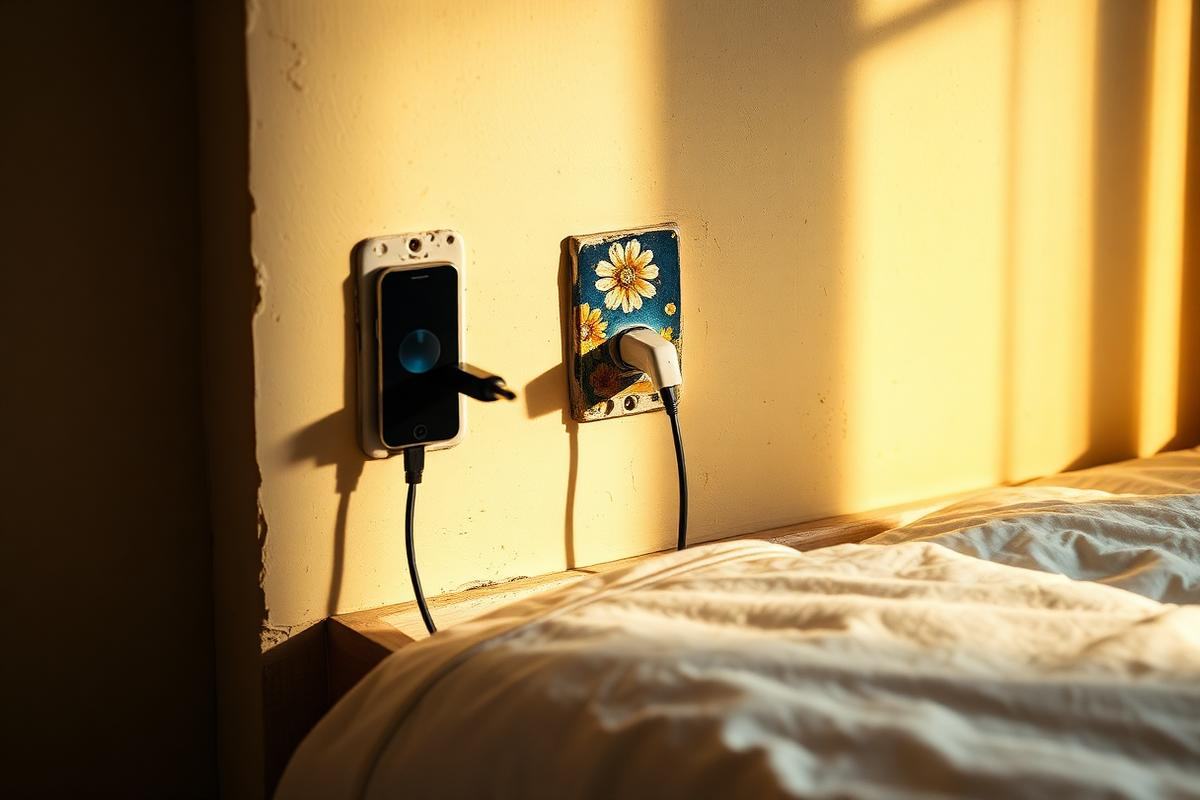
I never tested outlets until I rented a place where half of them worked. The apartment filled up fast with extension cords, awkward workarounds, and the kind of everyday horribleness you only notice once you're living there.
An outlet can look fine and still be dead. Some are wired to a wall switch. Test the ones you'll actually use—not just the ones that are easy to reach during a showing.
Test every burner—and don't accept a “trick”
Turn on every burner and test the oven. Each burner should light and heat without a workaround.
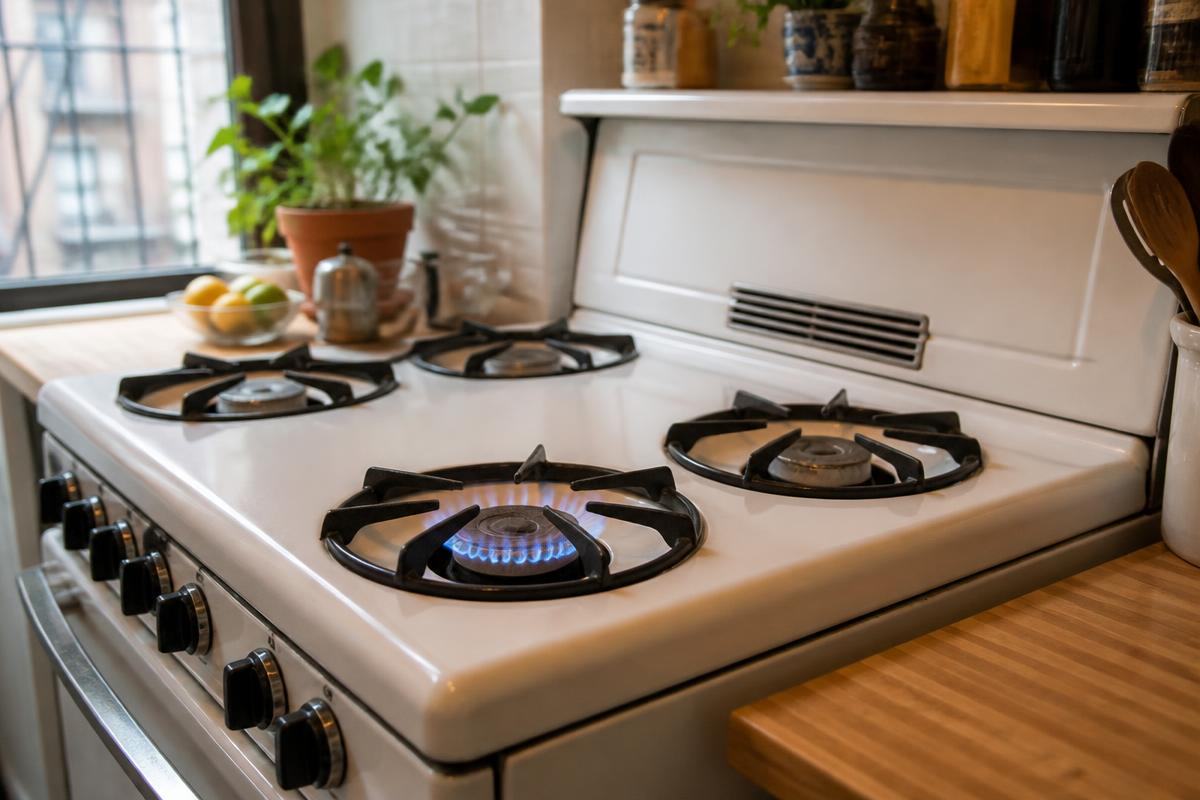
I once moved into an apartment where only three of the five burners worked at all. Even those three needed a “trick”: hold the knob down for three seconds, apply exactly the right pressure, and practically hop on one foot while hoping it caught. I went back and forth with the landlord about it for my entire tenancy. The other two were never fixed.
If a burner only works when you hold, tap, or nudge something a certain way, it's broken. Ask for the repair before you move in and put the request in writing. If you smell gas, or a burner won't light properly, stop trying it.
Find out what your bedroom faces
If you're near a police station, firehouse, hospital, or busy intersection, find out whether the building sits on a common emergency route.
Then note which way the bedroom faces. A living room on the street is one thing. Sirens passing directly outside your bedroom window at 2 a.m. is another.

Our bedroom on 95th Street faced an emergency route. We got used to a lot in that apartment, but never to being woken up by sirens several nights a week.
Visit at night. Listen with the windows open and closed. Ask a neighbor which sounds carry into the building. And don't assume a courtyard-facing bedroom is quiet—sirens, horns, and alarms bounce between buildings.
Listen for window air-conditioner noise
A window unit is basically sleeping with your window open. If you tour in winter, the window's shut and the unit's off, which tells you nothing about what the room sounds like in July. That's caught me twice, and both summers were miserable.
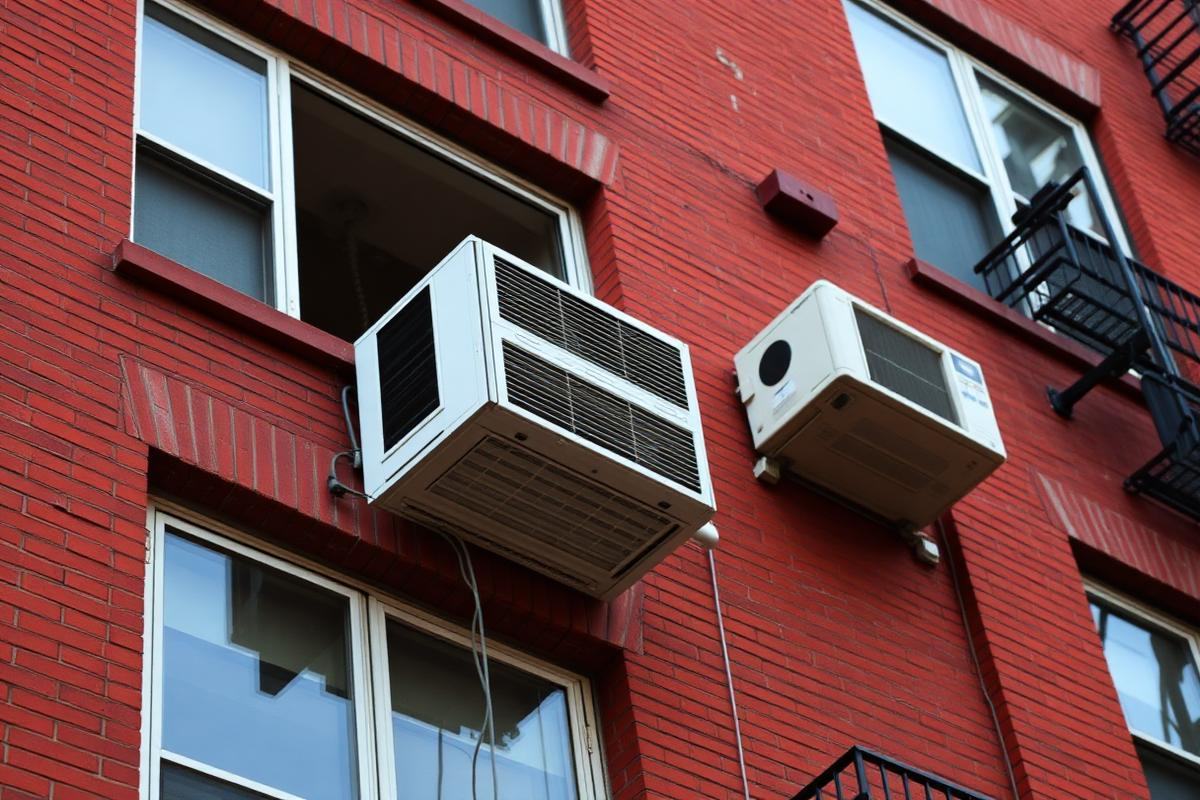
Turn on every air conditioner in the apartment, window unit or built-in. Let it run for 30 seconds to a minute. Listen for clanking, rattling, buzzing—anything you'd have to sleep through every night. Then open the window and listen again: the street and the machine together are what you'll actually hear when it's hot.
Go back at night for a second look, or make your first visit after dark. Listen with the windows open and closed, and check whether nearby units point at your bedroom. A daytime showing makes both the block and the apartment sound quieter than they are.
Visit the block at night
The block can feel like a different place after dark.

Walk around at the hour you'd normally come home. Notice the lighting, the traffic, the noise, the deliveries, who's gathered outside, and how the entrance feels as you approach it.
On Second Avenue, I toured in the afternoon and heard nothing. The bar down the block didn't really get going until 11 p.m., then ran until 4 a.m. I found that out after I moved in. No amount of white noise or earplugs drowned out the revelers outside; there was nothing between them and the apartment.
I'd rather see a block on an ordinary night than trust a sunny afternoon showing.
Ask someone who already lives there
The broker has a job. A neighbor usually has a different incentive.

I really liked an apartment on a busy corner and, as the broker and I were leaving, I asked a neighbor whether the building and the block were quiet. She looked at me and said, “If that's important to you, you might want to look elsewhere.” So I did.
That was more useful than any sales pitch. Ask something specific instead of “Do you like living here?” Ask whether the building is quiet, whether management answers, how long repairs take, whether smoke and cooking smells travel between apartments. People will tell you the truth about one concrete problem.
Ask about the carpet rule—and whether anyone enforces it
Prewar buildings are often plaster and masonry, and can feel quieter than newer buildings with thinner partitions. But “prewar” isn't a guarantee. Floors, windows, plumbing, renovations, elevators, and the neighbors above you all matter.
Ask whether the building requires carpeting or area rugs, what percentage of the floor has to be covered, and whether the rule applies to renters, owners, or both. There's no blanket city law requiring every apartment to cover 80% of its floors. The requirement usually lives in the lease, house rules, bylaws, or proprietary lease.
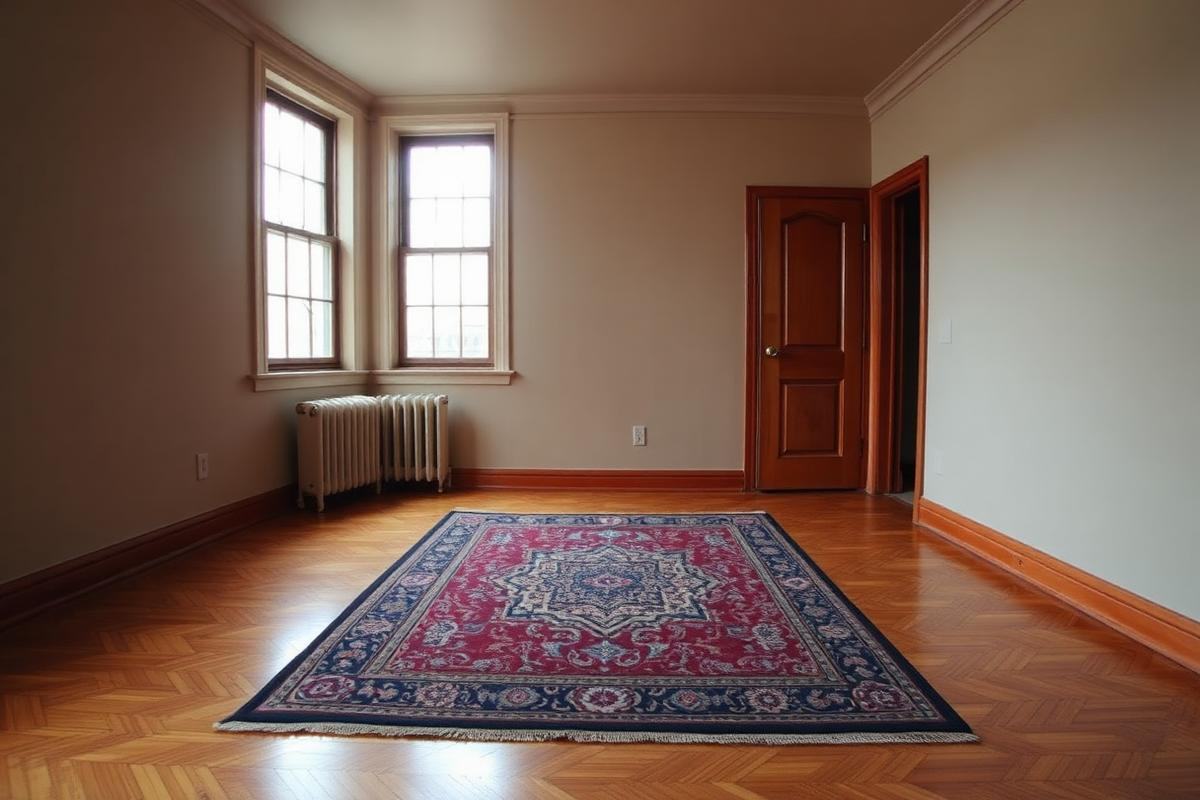
I once lived beneath someone who worked nights. Almost every night around 3 a.m. he'd stomp around upstairs and wake me up. He wouldn't put down carpet. Thankfully, management eventually chose not to renew his lease.
Ask someone who lives below another apartment whether management does anything when residents ignore the rule. A rule that only exists on paper won't help you sleep.
Check for smells—and ask about smoking
Pay attention to the hallway, the elevators, the trash area, and the apartment itself. A place that smells fine during a short showing can smell very different after it's been closed up.

Smoking policies vary by building. Ask whether residents can smoke inside their apartments, on balconies, or in common areas, and get the answer in writing.
If you're buying, check the bylaws and house rules. If you're renting, make sure the lease matches what management told you. Then ask a neighbor whether smoke travels between units.
Cigarette smoke came up through our floor on 95th Street. It wasn't constant, and we didn't catch it at the showing, but on bad nights the bedroom smelled like someone was smoking in it. The smoke was one of the reasons we left.
Check your phone and internet options
Stand in the rooms where you'll actually work, sleep, and take calls. Check your cell service.
Ask which internet providers serve the building and whether the apartment is already wired. If you work from home, don't assume “high-speed internet available” means the connection you want is available in your unit.
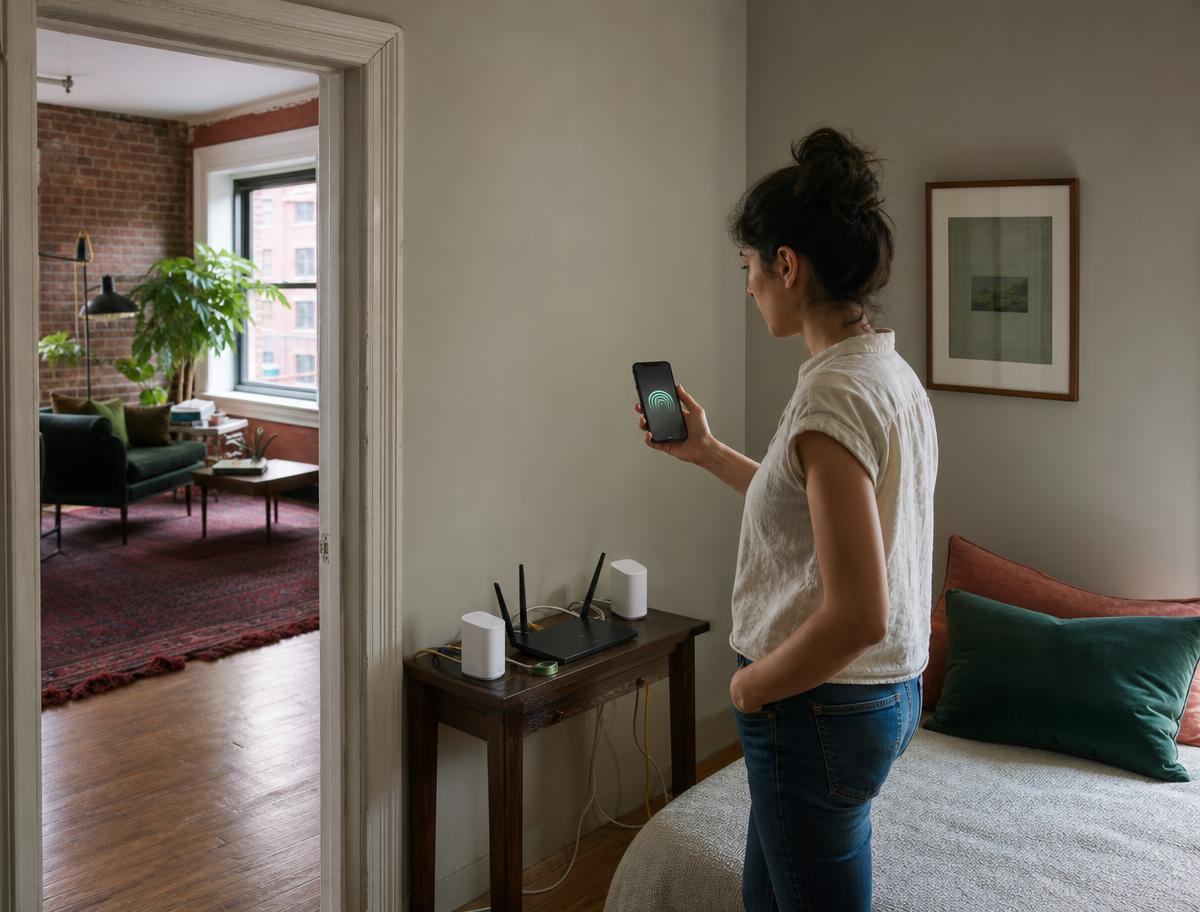
I check the bedroom, not just the spot near the front window where the agent happens to be standing. In one apartment I played Tetris with routers and extenders for weeks — something in the middle of the place, concrete or whatever was in that wall, killed the signal to the back rooms no matter where I put the hardware.
Ask a local business about planned construction
Stop into a coffee shop or another long-standing business on the block and ask whether they've heard about construction coming in the next year.
Ask about demolition, excavation, sidewalk work, scaffolding, anything that could change the block. People who work nearby usually know what's coming long before it shows up in a listing.
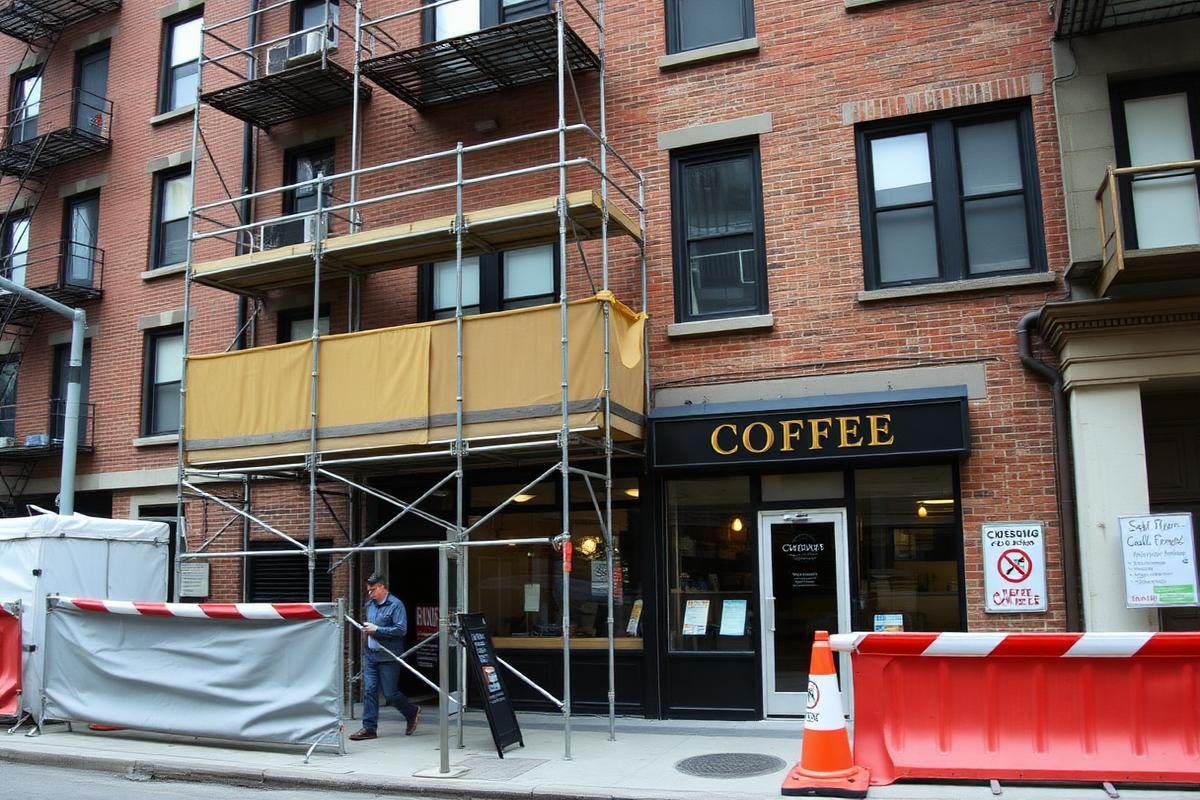
I once lived near the Second Avenue subway construction. I moved in years before it started, and once it did I was woken up by a jackhammer every morning for years.
Before you sign, find out not just what the block sounds like today, but what it might sound like next year.
Measure the doorways—and every turn
People measure whether a sofa fits in the living room. They forget to measure whether it can get through the front door, the hallway, the elevator, the stairwell, or one tight corner.
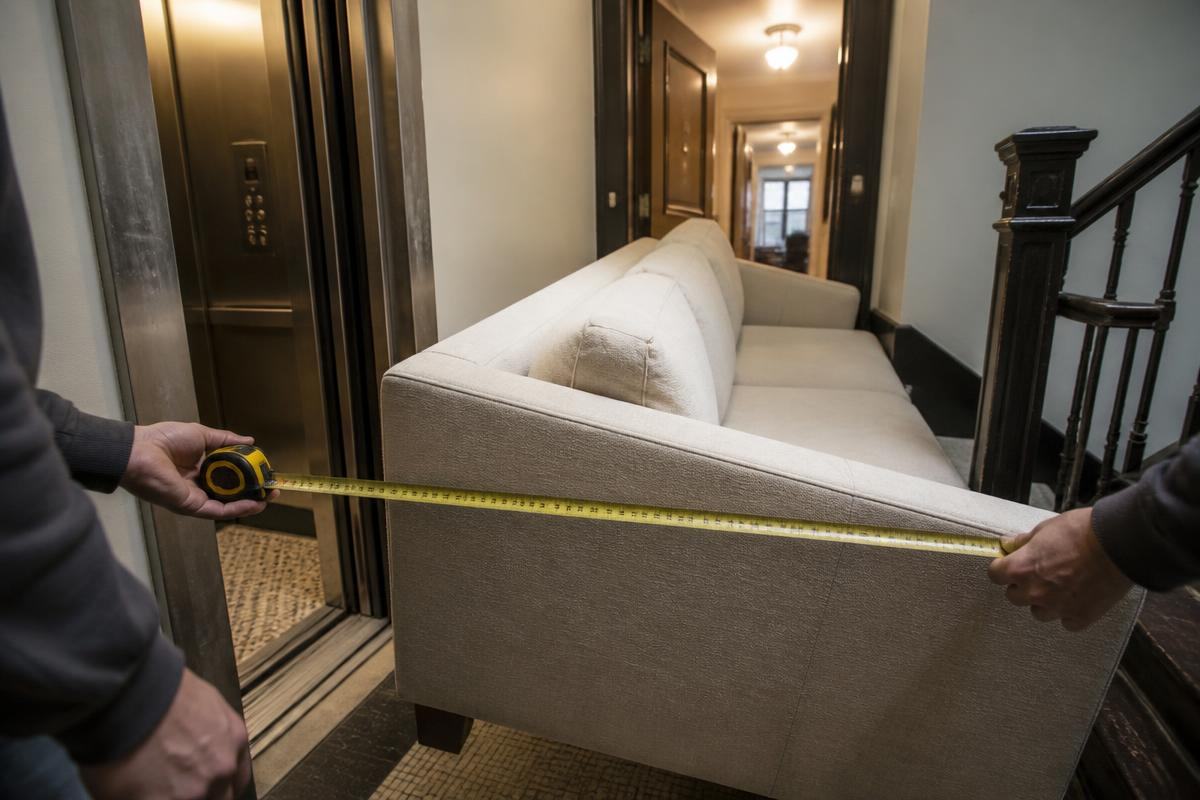
In one apartment, plenty of sofas would have fit in the living room and never made it through the building.
The turn from the elevator into the hallway decided what couch I could buy. There were about two options, and both had to be armless. The result was an uncomfortable, inefficient snuggle cove.
Measure the doors, the elevator, the hallways, the stairwells, and the corners, not just the room. A room can be big enough for your furniture and still be impossible to furnish.
Before you sign
Walk through the apartment like you already live there.
Turn on the shower. Test every outlet and burner. Listen at night. Ask a neighbor. Find out what your bedroom faces and what might get built nearby. Measure the route your furniture has to take.
The apartment is only part of what you're renting or buying. The building and the block matter just as much — and unlike the shower pressure, the building's record is something you can check before the tour.
Pull the building record before you sign
Search the address to see open violations, complaint history, and who owns it. Free, no account.