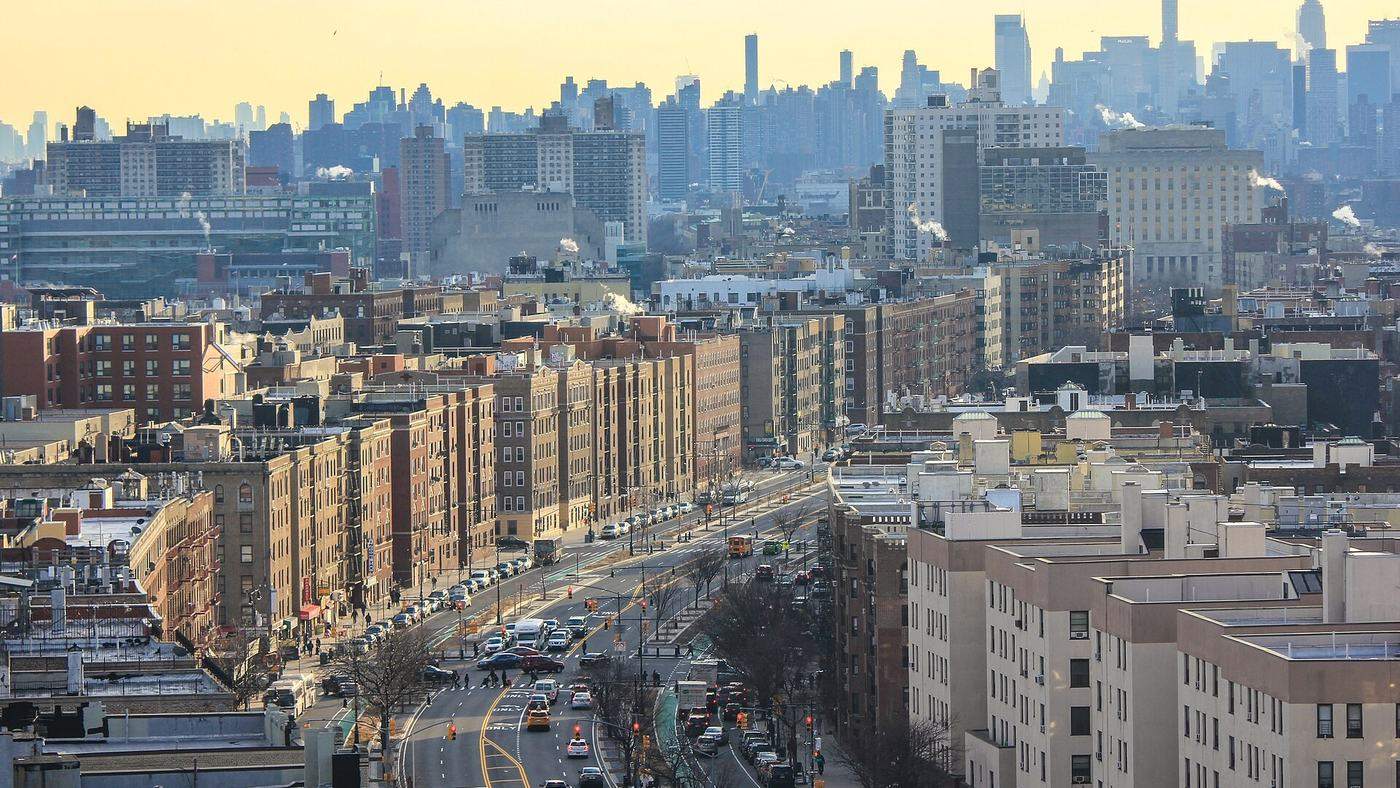
I've rented five apartments in this city. One of them was rent stabilized and I found out after I moved out, from a neighbor who'd been in the building since the eighties.
Nobody has to tell you. There's no line on the lease that says it, no box the broker checks. Close to a million apartments in New York are stabilized, and the ones with the least sophisticated tenants are the ones most likely to be quietly charged as if they aren't.
These are the seven things I check now, in order. Six are free. All of them take an afternoon.
Start with the year the building went up and the unit count
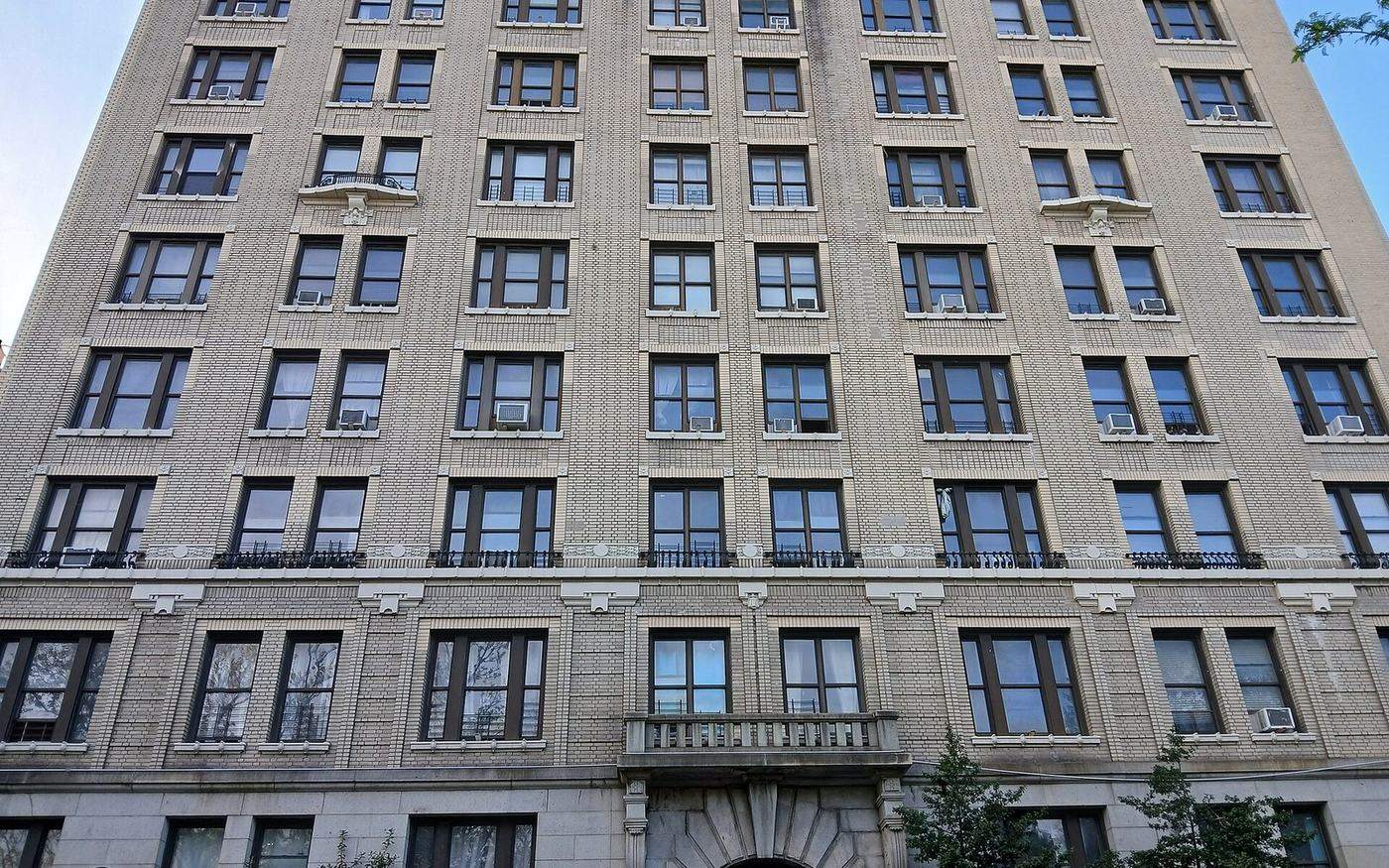
The base rule is old and simple: buildings put up before 1974 with six or more apartments are generally stabilized. That's where to start, not where to stop.
What you're looking for is a prewar or midcentury walk-up or elevator building with a real unit count — not a two-family house, not a new glass tower.
I once talked myself out of asking because the building had been renovated so heavily it felt new. The renovation doesn't change the year it was built.
Before you sign: look up the year built and the number of units, and treat pre-1974 with six-plus units as "check further," not "confirmed."
Check whether the building took a tax break
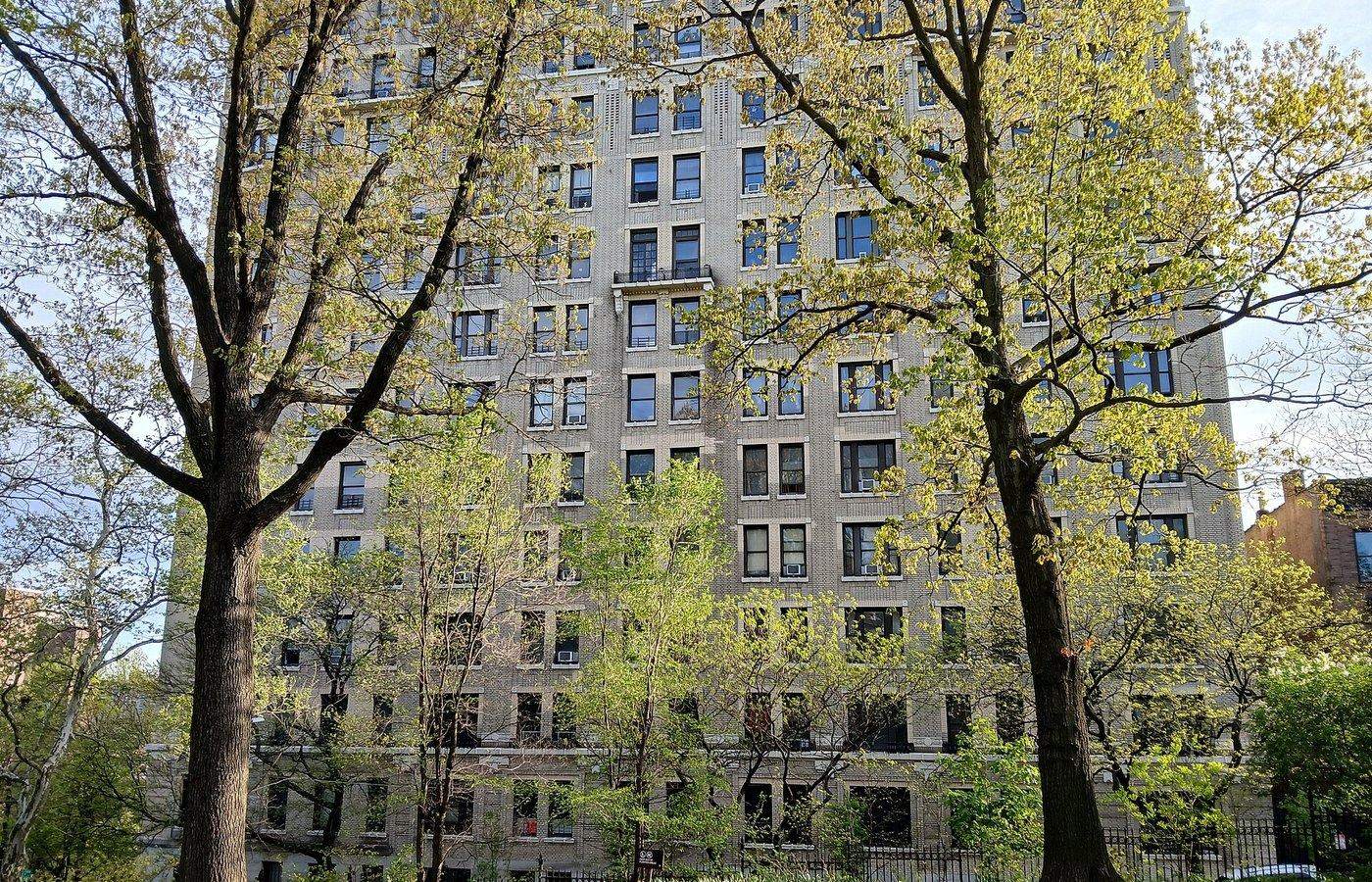
The other half of the stabilized stock isn't old at all. Newer buildings that took 421-a or J-51 tax abatements agreed to regulate their rents for the life of the benefit. That's how a 2015 luxury tower ends up with hundreds of stabilized apartments in it.
This is the check people skip, because a doorman and a gym don't feel like rent stabilization. They have nothing to do with it.
A building can be five years old, have a roof deck, and still owe you a stabilized lease.
Before you sign: ask whether the building has an active tax abatement. If it does, ask directly whether your specific unit is regulated under it.
Pull the rent history from the state
This is the one that actually answers the question. The state housing agency keeps a registration record for every stabilized apartment, and you can request the full history for your unit going back decades.
It's free. It arrives by mail or email. If the apartment appears in that record, it's stabilized, and the history shows what was registered each year and by whom.
A gap in the record isn't automatically good news for the landlord, either — years a landlord failed to register are years a court can look at.
Before you sign, or right after: request the rent history for the exact apartment number. Not the building. The unit.
Read the increase on your last renewal
If you're already in the apartment, your own paperwork is evidence. For leases starting October 1, 2025 through September 30, 2026, the Rent Guidelines Board capped stabilized increases at 3% for a one-year renewal and 4.5% for two.
If you think you might be stabilized and your renewal came in well above that, one of two things is true: you aren't covered, or you're being overcharged.
Before you renew: compare your increase to the board's number for that lease year, and keep the renewal letter either way.
Look for the lobby notice
Since January 26, 2026, under Local Law 86, every building with at least one rent-stabilized unit has to post a notice in a common area — in English and Spanish — explaining how tenants can find out whether their apartment is covered.
The notice doesn't tell you about your unit. It tells you the building has at least one. That's a much narrower building to be standing in.
Before you sign: look at the lobby wall on the way out. It takes four seconds.
Take the round number seriously
Stabilized rents accumulate. They're the product of percentage increases stacked on a legal base, year after year, which is why they land on numbers like $1,847.32 rather than $2,500.
A perfectly round rent isn't proof of anything on its own. It's the kind of small tell that's worth one more question.
Nothing about this system produces round numbers by accident.
Before you sign: if the rent is suspiciously tidy on an older building, ask what the legal regulated rent is. The answer, or the refusal, is informative.
Find out whether you're paying a preferential rent
Some stabilized tenants pay less than the legal maximum. That discount is called a preferential rent, and under the 2019 tenant protection law it stays with you — a landlord can't snap the rent back up to the legal number at renewal while you're still in the apartment.
Tenants who don't know the term are the ones who get the snap-back letter and pay it.
Before you renew: find out whether your lease lists both a legal rent and a lower one you're actually paying. If it does, that gap is protected.
What we can show you
We hold registration data on more than 46,000 stabilized buildings across the city. Search an address and we'll tell you what the record says about the building, how many stabilized units it reports, and who owns it — including the chain behind the LLC on the lease.
Knowing the apartment is stabilized is the first answer. Knowing the owner has two hundred open violations is the second one.
Check your building's stabilization record
Search your address to see registered stabilized units, the owner behind the lease, and every open violation. Free.
Two related lookups, both free: who owns my building traces the entity chain, and the violations lookup shows what the city has written up.